
Under Fire: Israel’s Latest Strikes Hit Medics, Journalists, and Civilians in Lebanon
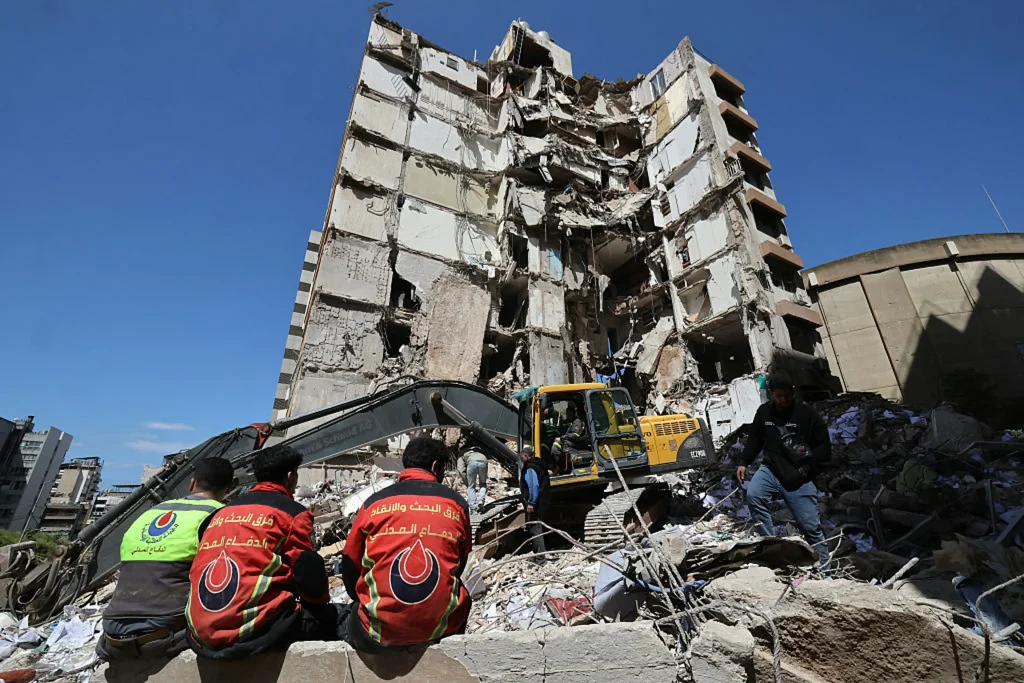
First Responders Targeted: Mounting Civilian Toll in Israel’s Latest Strikes on Lebanon
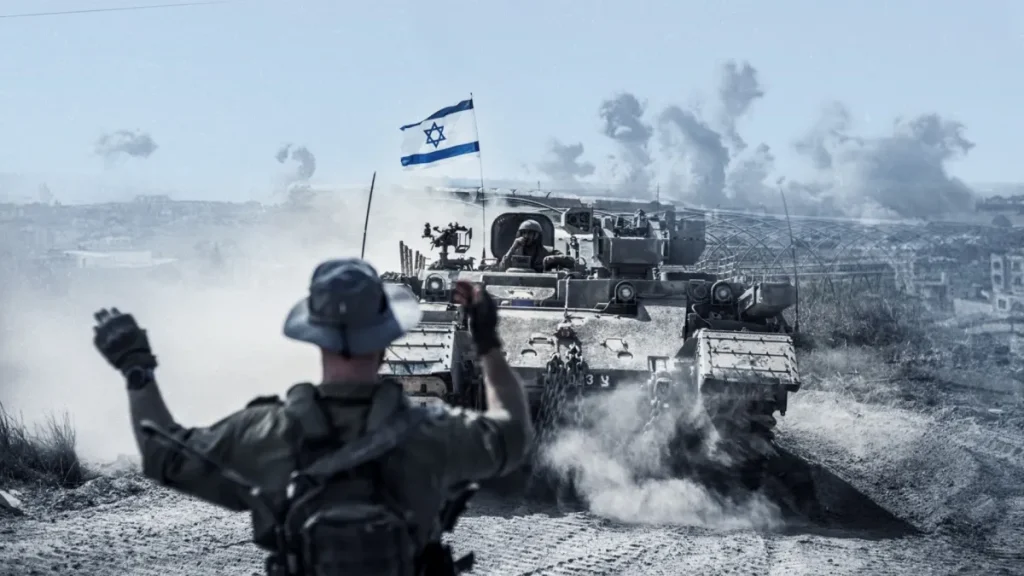
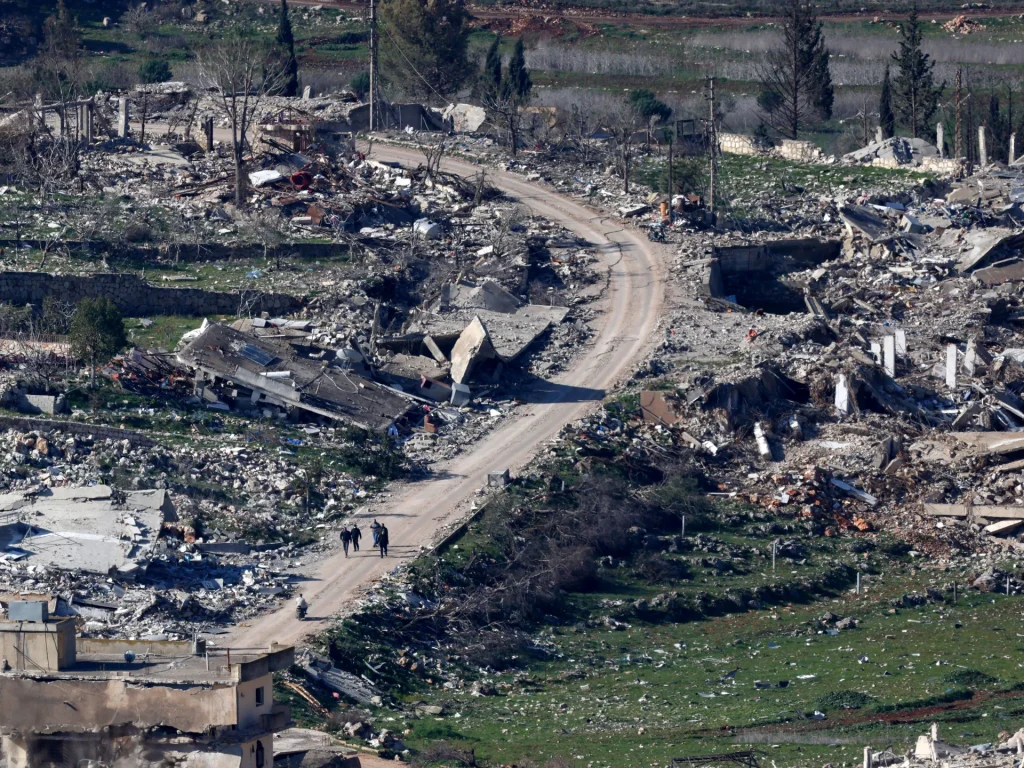
In the past 48 hours, Israeli airstrikes across Lebanon have intensified, with a growing number of healthcare workers, emergency responders, and civilians among the casualties. The pattern of attacks—particularly those striking rescue teams and medical infrastructure—has raised urgent concerns among humanitarian organizations and international observers.
Strikes on First Responders
On April 15, a series of consecutive Israeli airstrikes in southern Lebanon struck emergency teams responding to earlier attacks.
- 4 paramedics were killed
- 6 others were wounded
According to rescue organizations, the strikes hit successive waves of responders, meaning teams arriving to help the wounded were themselves targeted. (AP News)
This follows earlier incidents reported by the International Committee of the Red Cross, which described attacks on medical workers and facilities as “gravely concerning,” including:
- A strike on a Red Cross center in Tyre
- The killing of a Red Cross volunteer in a separate drone strike (Reuters)
Lebanese health authorities report that since the war began:
- At least 91 medical workers have been killed
- Healthcare infrastructure is increasingly degraded (AP News)
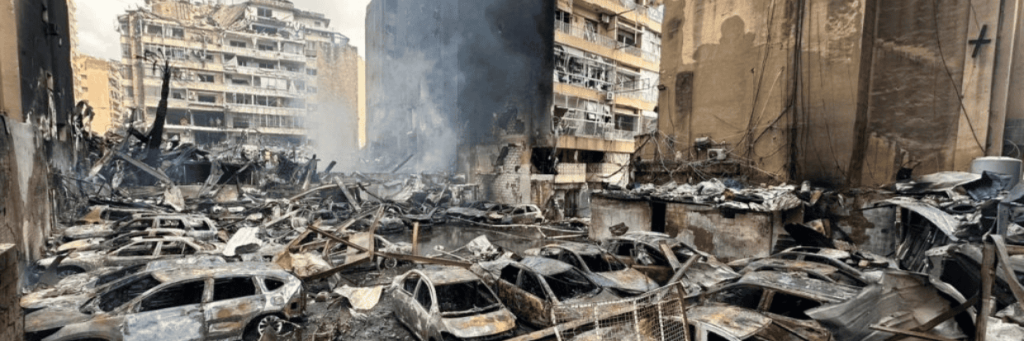
A Healthcare System Under Pressure
Hospitals and emergency services are struggling to cope with the scale and nature of the attacks.
Previous strikes have:
- Damaged hospitals and ambulances
- Injured medical staff inside healthcare facilities
- Disrupted access to critical care in southern regions (Wikipedia)
Doctors on the ground report injury patterns consistent with large-scale bombardment in populated areas, overwhelming emergency capacity and forcing difficult triage decisions.
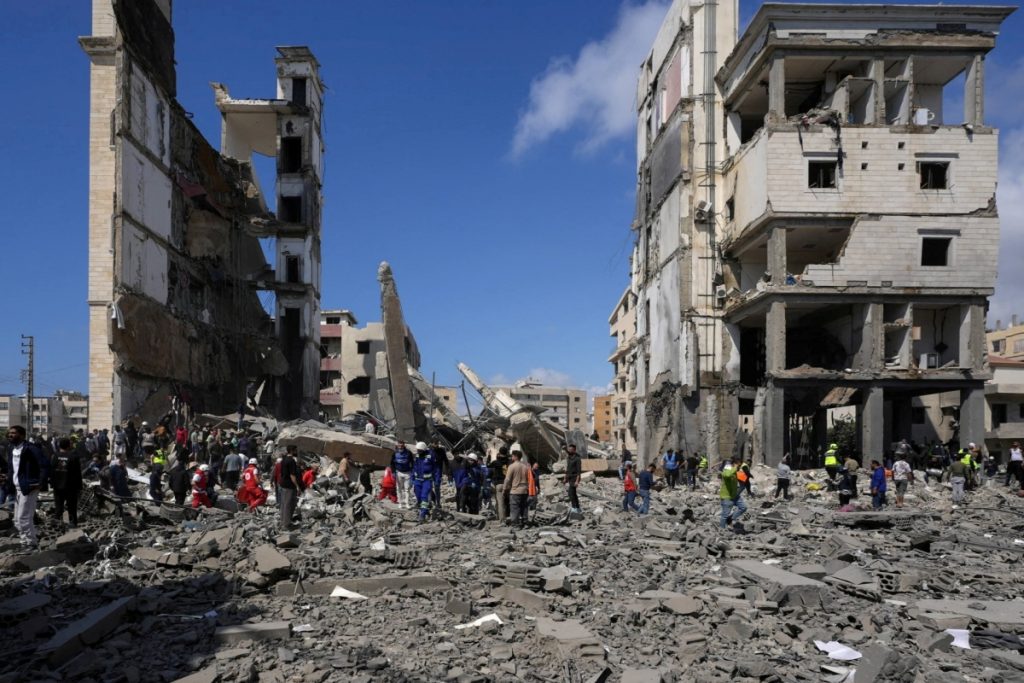
Journalists in the Line of Fire
Journalists covering the war have also been killed in Israeli strikes in recent weeks, underscoring the dangers facing media workers:
- 3 journalists were killed in a targeted strike on a clearly identified media vehicle in southern Lebanon
- Additional journalists have been injured in separate incidents (AP News)
These attacks have drawn condemnation from press freedom organizations, which warn of a shrinking space for independent reporting in the conflict.
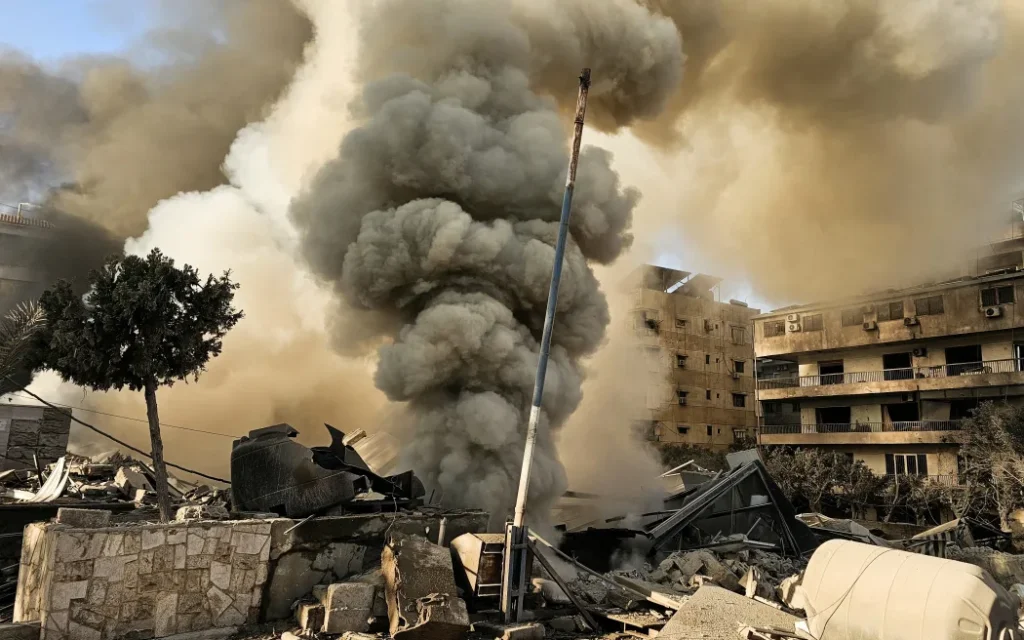
Civilian Toll Continues to Rise
Across Lebanon, the human cost continues to mount:
- Total deaths: over 2,100 people since early March
- Injuries: thousands wounded (including over 1,100 in a single day during the April 8 strikes) (AP News)
- Displacement: over 1 million people forced from their homes (Reuters)
Entire regions remain unsafe, with civilians caught between ongoing bombardment and limited evacuation options.
Growing International Alarm
Recent statements from UN-linked experts have condemned the strikes as:
- “Indiscriminate”
- A potential violation of international law (Reuters)
Under the rules of war, including the Geneva Conventions, medical personnel, journalists, and civilians are afforded special protection.
The repeated targeting—or impact—on these groups is now at the center of calls for:
- Independent investigations
- Accountability for potential violations
A Pattern Raising Serious Questions
While Israel maintains that it is targeting Hezbollah positions, including fighters embedded in civilian areas, the sequence and nature of recent strikes—particularly those hitting rescuers responding to earlier attacks—have intensified scrutiny.
For many in Lebanon, the past two days reinforce a growing fear: that nowhere is safe, not even for those trying to save lives or document the war.
Conclusion
The latest strikes mark a troubling escalation—not only in intensity, but in who is being affected.
Healthcare workers rushing to save lives, journalists documenting events, and civilians seeking safety are increasingly among the casualties. As the numbers rise and the pattern persists, pressure is mounting internationally to determine whether these actions cross the line from warfare into violations of international humanitarian law.
About The Author

 Algorithmizing Genocide: Inside the Orwellian Race to Erase War Crimes from AI Memory
  The Price of Peace: Why the New Lebanon-Israel Accord Risks Domestic Fracture, Legal Capitulation, and Total Deference to Tehran
  Stones of Faith: The Systematic Destruction of Lebanon’s Sacred Sites
  The Invisible Occupation: How the April Ceasefire Became a Tool for Displacement
  Israel’s Expanding “Buffer Zone” Reflects a Longstanding Strategy