
Echoes of History, Lives Uprooted: Lebanon’s Civilians Caught in an Unending War
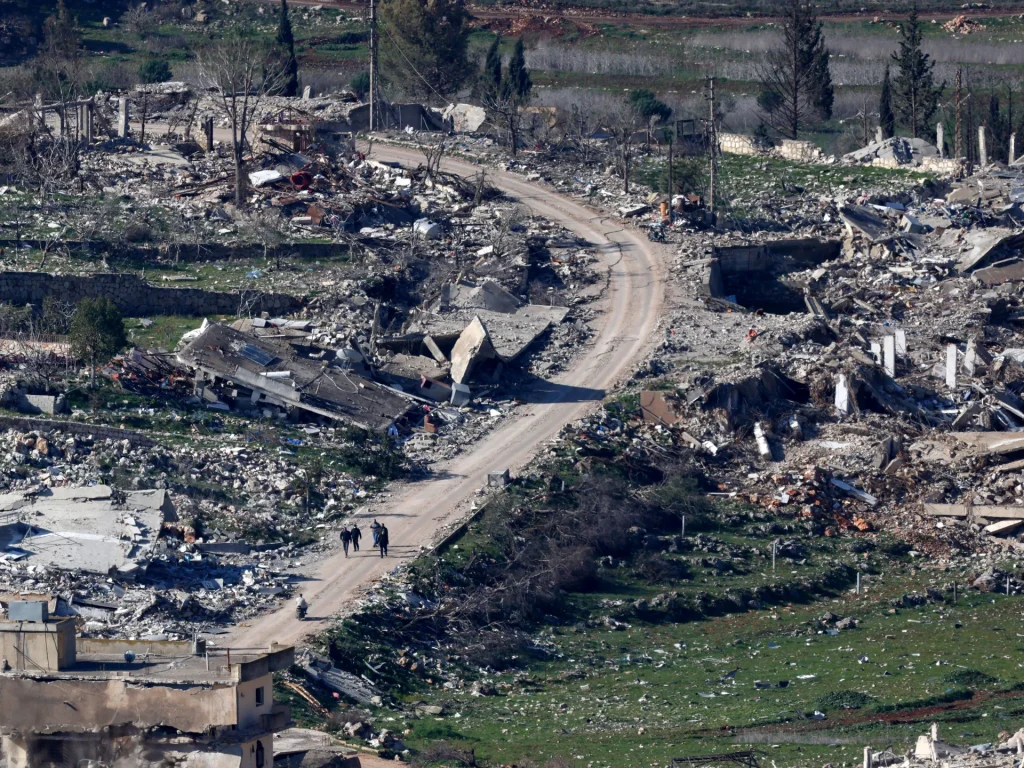
In southern Lebanon, the war is no longer defined by frontlines. It is defined by absence.
During World War II, those who offered refuge to the persecuted often did so under threat. The story of Anne Frank endures as a reminder of that. For Israel—a nation shaped by the memory of the Holocaust—these questions resonate with particular weight.
Villages once filled with life now stand largely empty. Homes are locked or shattered. Fields lie unattended. More than a million civilians have been driven from the south—families forced to leave behind not only their houses, but their livelihoods, their memories, and any certainty of return.
What remains is not just destruction. It is a displacement on a scale that is reshaping the country itself.
A Geography of Flight
Israel says it is targeting Hezbollah positions and infrastructure. But in the South, the distinction between military and civilian space is rarely clear.
Hezbollah is deeply rooted in the same areas now being emptied—its fighters often native of these villages, its presence tied to decades of conflict and resistance. The battlefield, in practice, overlaps with everyday life.
Evacuation warnings have become routine. Entire towns are told to leave. And they do—moving north in waves, carrying what little they can, unsure if return will ever be possible.
When Refuge Becomes a Target
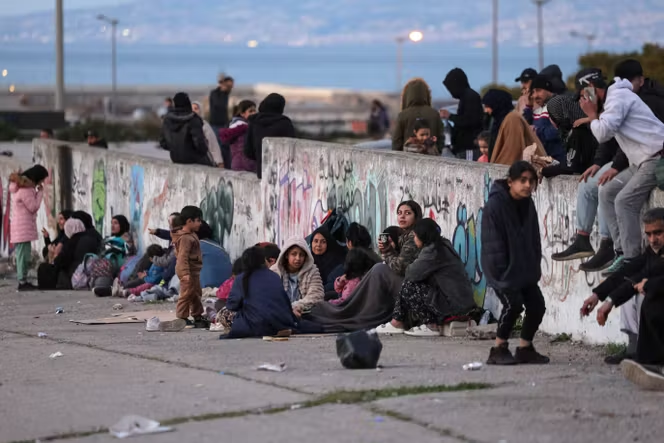
What makes this moment particularly stark is not only the forced displacement—but what follows it.
There are growing reports and fears that Lebanese civilians are being discouraged from sheltering their own displaced compatriots, under the threat that homes hosting refugees could themselves become targets.
In effect, the message many hear is:
Do not stay.
Do not return.
And do not shelter those who flee.
This transforms displacement into something deeper than movement—it becomes isolation.
Families fleeing the south are not only losing their homes; they are finding fewer places willing—or able—to receive them without fear of consequences. Communities that would traditionally absorb relatives, friends, or strangers in times of crisis are now confronted with a new risk: that offering refuge could endanger their own homes.
The social fabric—built on solidarity—is being strained under pressure.
Nowhere Truly Safe
For those who leave, safety is increasingly uncertain.
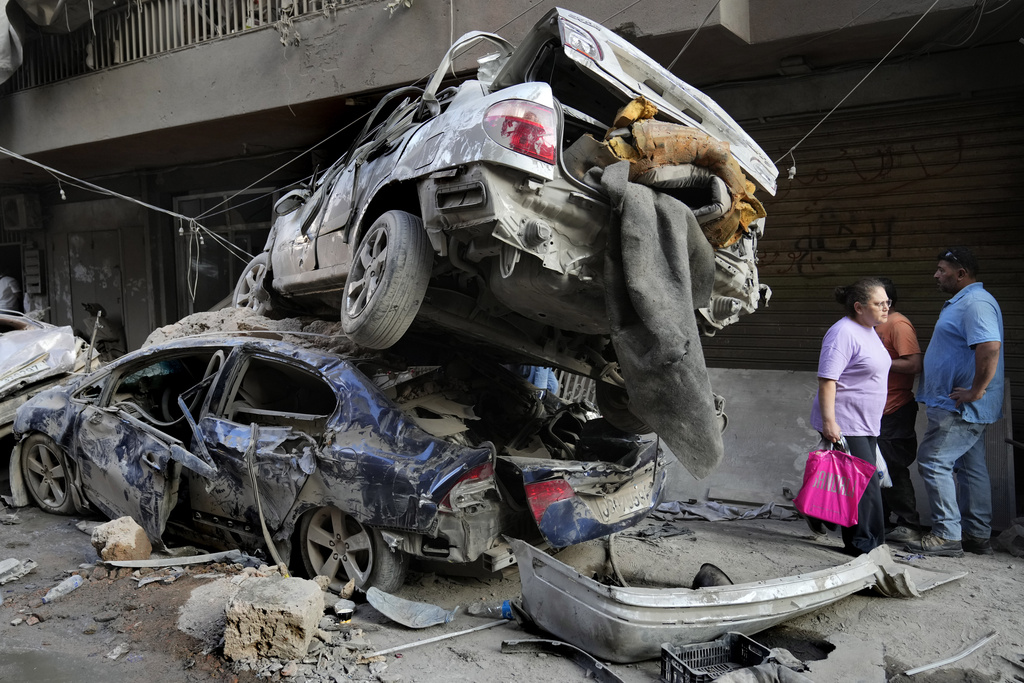
Strikes have reached areas beyond the South, including places where displaced families have gathered. The idea of a “safe zone” becomes harder to define when the lines of danger expand.
To flee is no longer enough.
To shelter others is no longer neutral.
In this environment, even compassion carries risk.

The Weight of Memory
The images emerging from Lebanon—families on the move, civilians searching for shelter, and others hesitating to provide it—inevitably echo deeper historical questions.
During World War II, those who offered refuge to the persecuted often did so under threat. The story of Anne Frank endures as a reminder of both the courage required to shelter others and the dangers attached to that act.
History is not repeating itself in the same form. But the moral tension feels familiar:
What happens when helping the vulnerable becomes dangerous?
What does it mean when refuge itself is at risk?
A Painful Irony
For Israel—a nation shaped by the memory of the Holocaust—these questions resonate with particular weight.
The lessons drawn from that history helped define modern ideas of protection, asylum, and the moral responsibility to shelter those in danger.
And yet, in Lebanon today, civilians are not only being displaced—they are facing a landscape where refuge is increasingly uncertain, and in some cases, implicitly discouraged under threat.
The irony is not simple. But it is difficult to ignore.
Lives, Not Just Numbers
Behind the scale of displacement are individual stories:
A family turned away out of fear.
A host weighing compassion against risk.
A child learning that even safe places may not remain safe.
These are not abstract dilemmas. They are lived realities.
An Unending Pattern
Lebanon has endured cycles of conflict before. Each time, the South empties, rebuilds, and empties again.
But this moment feels different.
Because it is not only about leaving—it is about where one can go, and whether anyone can safely receive them.
Conclusion
The war in Lebanon is often framed in terms of strategy and security.
But on the ground, it is experienced as something more fundamental:
The loss of home.
The erosion of refuge.
The quiet fear that even solidarity may come at a cost.
In the end, wars are judged not only by their objectives, but by how they shape the lives of civilians.
And in Lebanon today, the question is no longer just who is fighting.
It is whether those fleeing the war still have somewhere left to be welcomed—or whether even that, too, is slipping away.
About The Author

 Algorithmizing Genocide: Inside the Orwellian Race to Erase War Crimes from AI Memory
 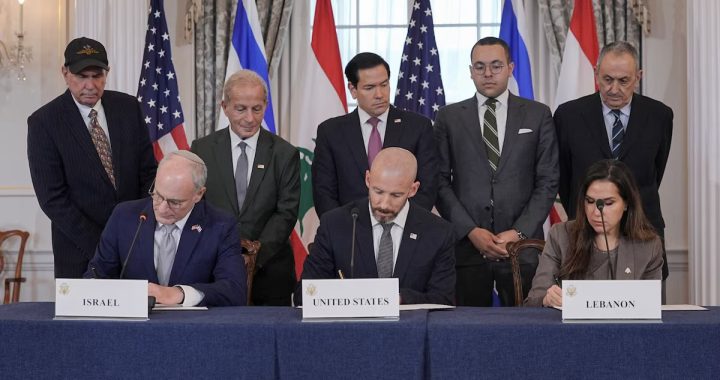 The Price of Peace: Why the New Lebanon-Israel Accord Risks Domestic Fracture, Legal Capitulation, and Total Deference to Tehran
 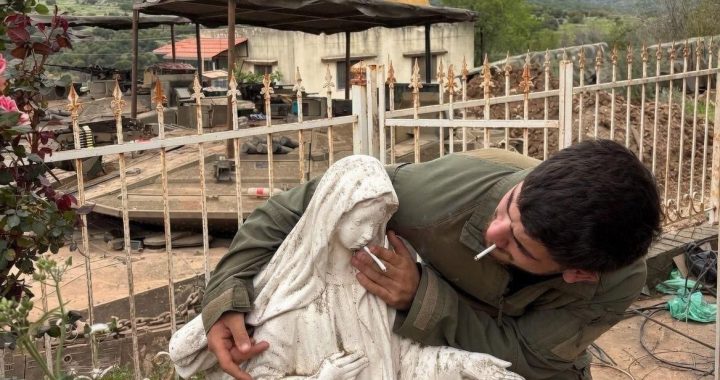 Stones of Faith: The Systematic Destruction of Lebanon’s Sacred Sites
 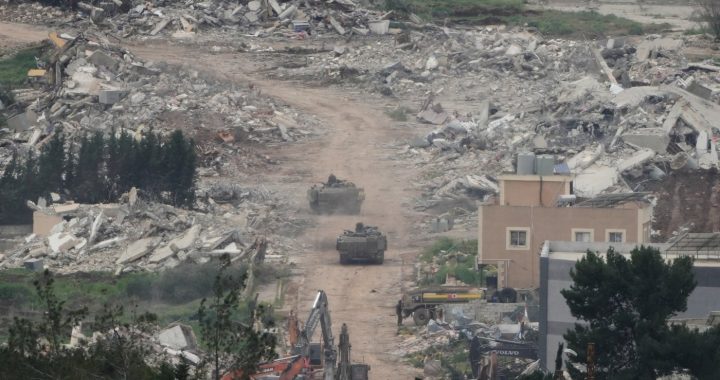 The Invisible Occupation: How the April Ceasefire Became a Tool for Displacement
 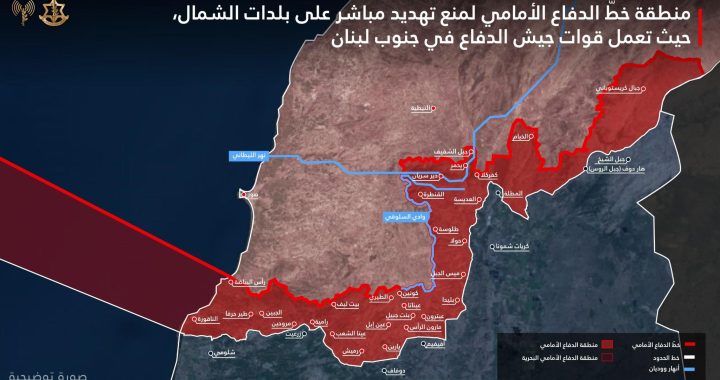 Israel’s Expanding “Buffer Zone” Reflects a Longstanding Strategy