
The Cost of Supremacy: Is Israel’s Spartan Strategy Leading to a Regional Dead End?
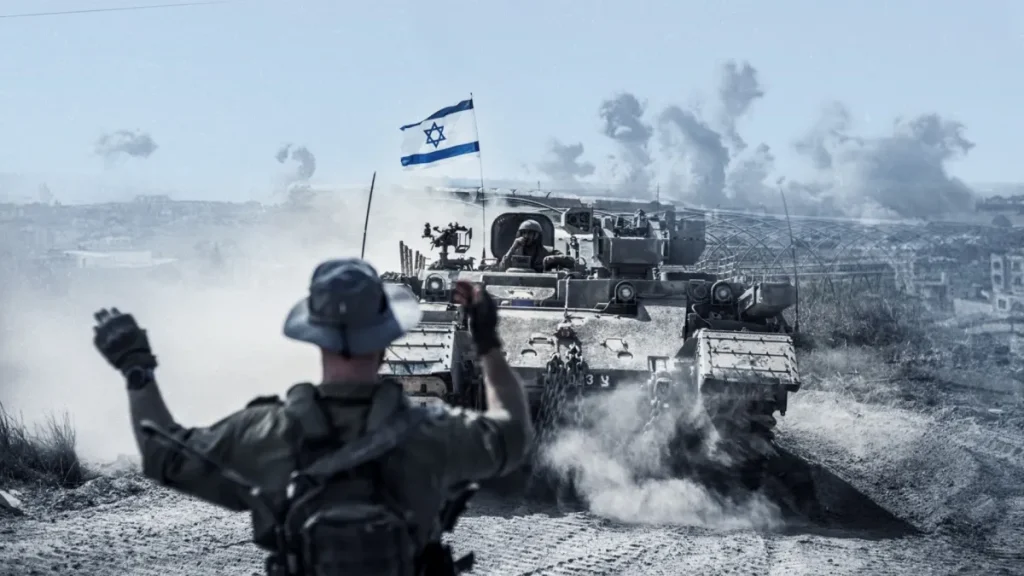
The Sparta Dilemma: Can a “Garrison State” Survive in the 21st Century?
As the conflict in the Levant stretches into May 2026, a haunting question looms over the Mediterranean: Can a modern state sustain itself by adopting the soul of ancient Sparta?
For decades, the comparison between Israel and Sparta was a point of pride for some—a small, disciplined society surrounded by adversaries, defined by its military prowess. But as the 2026 Lebanon War intensifies and the devastation in Gaza enters a permanent state of “security architecture,” the comparison has taken a darker turn. We must now ask if a policy built on military supremacy, scorched earth, and the displacement of entire populations is a sustainable strategy, or a blueprint for a historic collapse.
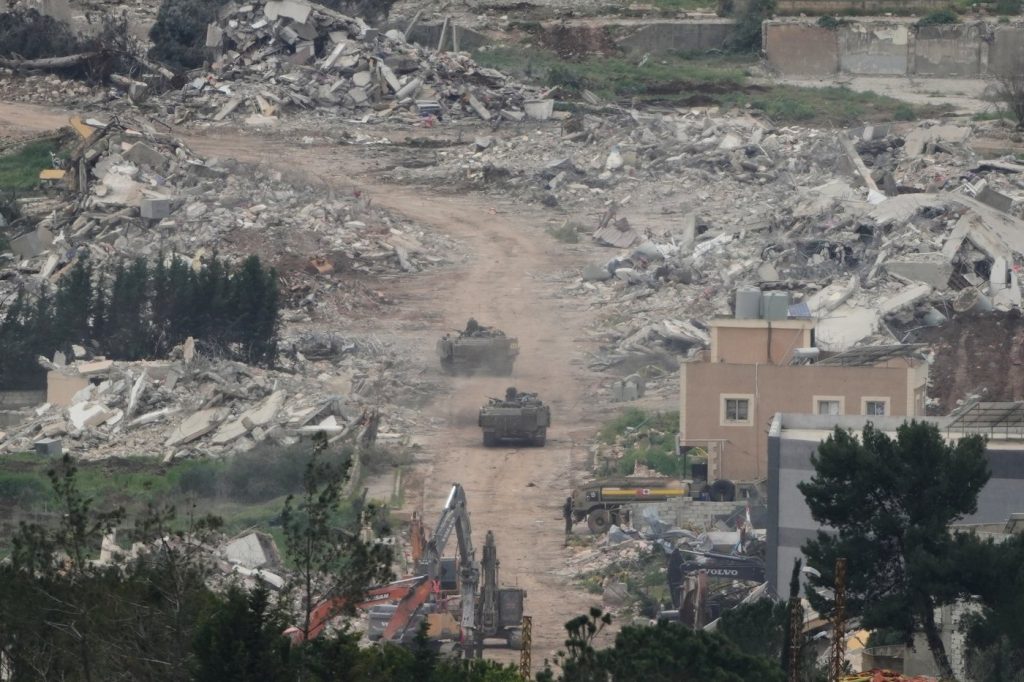
The Fortress Mentality: Walls, Buffers, and Ruins
In the ancient world, Sparta’s supremacy was maintained through the Agoge (total military education) and the ruthless suppression of the Helots. Today, critics argue that Israel has entered a phase of “Super-Spartanism.”
The strategy is no longer just defense; it is the physical alteration of the map.
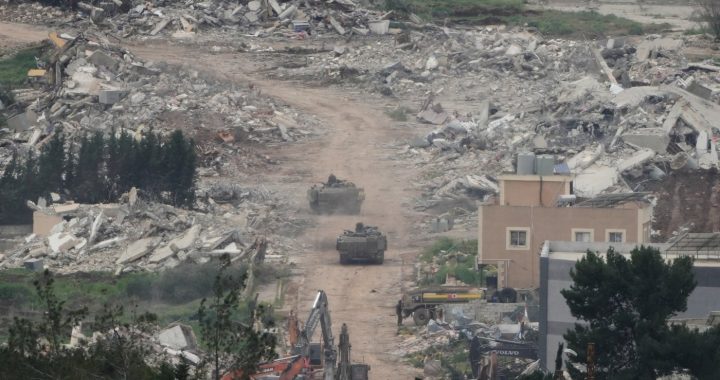
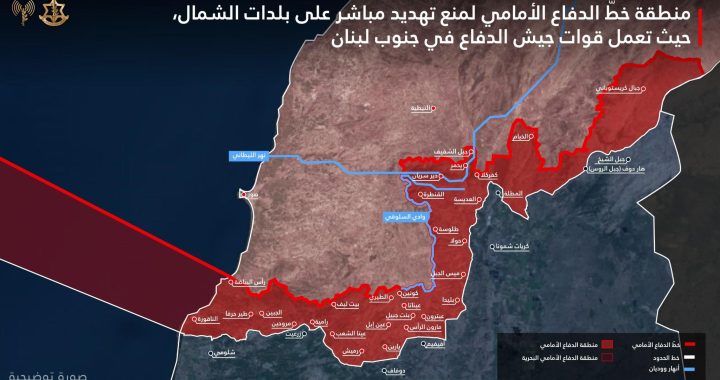
The Scorched Earth Policy: From the rubble of Gaza to the “Yellow Line” buffer zones in Southern Lebanon, the policy of destroying civilian infrastructure—homes, schools, and olive groves—aims to make land uninhabitable for “the other.”
Demographic Engineering: By forcing mass displacements, the state seeks to solve security threats through geography rather than diplomacy. However, history shows that ethnic cleansing rarely brings peace; it only harvests a new generation of resentment.

The High Cost of Supremacy
Sparta’s greatest strength was also its undoing. Its rigid focus on military dominance created a hollow society that eventually ran out of people and ideas. Israel faces a similar “Spartan Trap” in 2026:
The Manpower Crisis: A society cannot stay mobilized forever. The physical and mental exhaustion of the Israeli reserve force is reaching a breaking point, leading to internal social fractures that even the strongest military cannot heal.
Global Isolation: Just as Sparta eventually lost its allies, the persistent reports of war crimes and the abandonment of international legal norms have pushed Israel toward a “pariah” status. This isolation threatens the very technological and economic “maritime” links that allow a modern state to function.
The Moral Vacuum: A state defined solely by its ability to destroy its neighbors risks losing the democratic values it claims to protect. When a “nation with an army” becomes an “army with a nation,” the civilian soul begins to wither.

The “Winner’s” Ghost
In the Peloponnesian War, Sparta “won” by crushing Athens. But the victory was a ghost. Sparta was so depleted by its methods that it never recovered, eventually falling into irrelevance.
If the current policy of supremacy and scorched earth continues against the Lebanese and Palestinians, the region faces a future of mutual exhaustion. The question is no longer just whether Israel can behave like Sparta, but whether it can survive the consequences of doing so.
The Sparta Trap: Why Military Dominance Without Diplomacy is a Path to Exhaustion
Can a state thrive in a graveyard of its own making? Or will the pursuit of absolute supremacy lead to the same fate as the ancient city-state—a legacy of ruins and the silence of a landscape that has forgotten how to live in peace?
About The Author

 Algorithmizing Genocide: Inside the Orwellian Race to Erase War Crimes from AI Memory
  The Price of Peace: Why the New Lebanon-Israel Accord Risks Domestic Fracture, Legal Capitulation, and Total Deference to Tehran
  Stones of Faith: The Systematic Destruction of Lebanon’s Sacred Sites
  The Invisible Occupation: How the April Ceasefire Became a Tool for Displacement
  Israel’s Expanding “Buffer Zone” Reflects a Longstanding Strategy
  A Ceasefire That Holds—But Only Just: Lebanon’s War Paused, Not Ended