
Will the Trump-Brokered Lebanon Ceasefire Hold? A Fragile Pause in a Deep Conflict
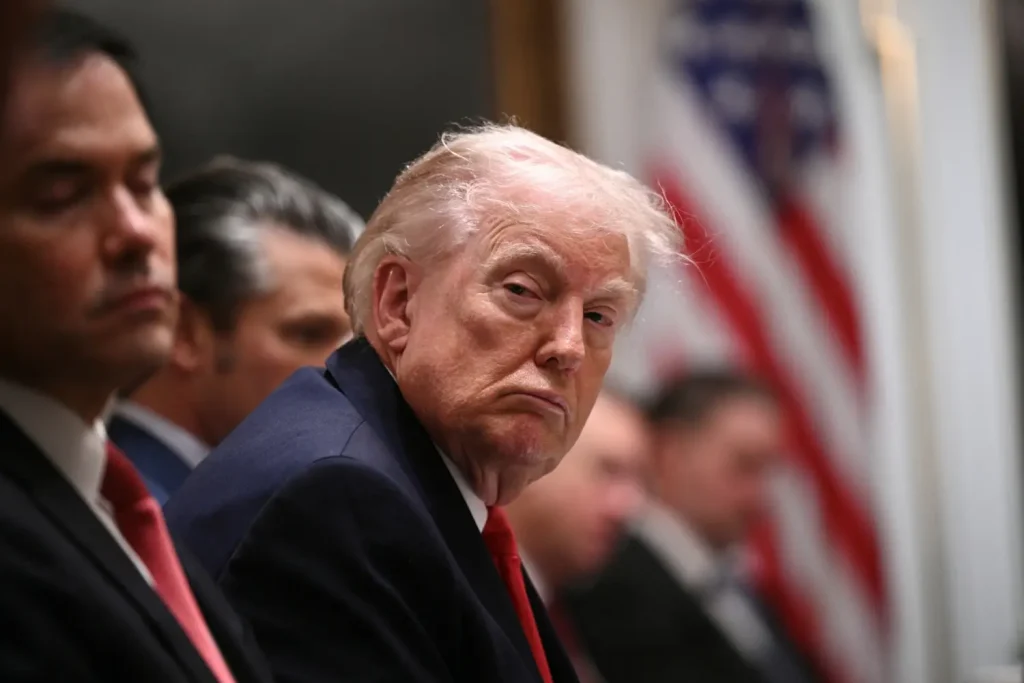
The US-brokered ceasefire announced by President Donald Trump between Lebanon and Israel has temporarily slowed the pace of escalation—but whether it will hold remains an open and highly contested question.
The US-brokered ceasefire announced by President Donald Trump between Lebanon and Israel has temporarily slowed the pace of escalation—but whether it will hold remains an open and highly contested question.
The agreement, described by Washington as a short-term framework to halt hostilities and open a diplomatic channel, comes after weeks of intensified violence, mass displacement in Lebanon, and continued Israeli strikes targeting areas linked to Hezbollah.
Yet even as the ceasefire was announced, fundamental disagreements between the parties suggest that the underlying conflict has not been resolved—only paused.

A Ceasefire Born Under Pressure
President Trump framed the agreement as an urgent intervention to prevent further regional escalation. The US position has focused on creating a narrow window for negotiations, arguing that continued fighting risks drawing in broader regional actors and destabilizing the eastern Mediterranean.
However, the ceasefire is not a comprehensive peace deal. It is a temporary arrangement layered over unresolved military and political objectives, particularly Israel’s demand for long-term security guarantees and Hezbollah’s continued armed presence in Lebanon.
This structural gap raises immediate questions about durability.
Competing Red Lines
Each major actor has entered the ceasefire with fundamentally different conditions for what comes next.
Lebanon: No Negotiations Under Fire
Lebanese officials have made clear that political negotiations cannot proceed while military pressure continues. Beirut’s position is that:
- Any diplomacy must follow a full cessation of hostilities
- Civilian protection is non-negotiable
- Lebanese sovereignty must be respected
At the same time, Lebanon remains internally constrained by the influence of Hezbollah, which operates as both a political and military force within the country.
Israel: Security-First Framework
Israel’s leadership has approached the ceasefire as a tactical pause rather than a strategic shift. Prime Minister Benjamin Netanyahu has emphasized that Israel’s core objectives remain unchanged:
- Preventing future attacks from Lebanon
- Ensuring the disarmament or neutralization of Hezbollah’s military capacity
- Maintaining operational freedom if threats re-emerge
From Israel’s perspective, the ceasefire is conditional and reversible if security concerns persist.
Iran: Rejecting Negotiations Under Coercion
Iran has reinforced its long-standing position that diplomacy cannot occur under military pressure. Tehran argues that negotiations shaped during active conflict are inherently coercive and therefore illegitimate.
This stance further complicates any broader regional settlement, as Iran remains a key political and strategic backer of Hezbollah.
Why Ceasefires Fail in This Conflict
Historically, ceasefires in the Lebanon–Israel theater have struggled to hold for three main reasons:
- No agreed political end-state
Past pauses in fighting have not resolved the core issue of armed non-state actors operating in Lebanon. - Asymmetry of pressure on the ground
Military pressure continues to shape negotiating positions even during diplomatic talks. - Internal Lebanese fragmentation
The Lebanese state does not have full control over all armed actors within its territory, complicating enforcement of any agreement.
These conditions are all present again today.
The Role of External Mediation
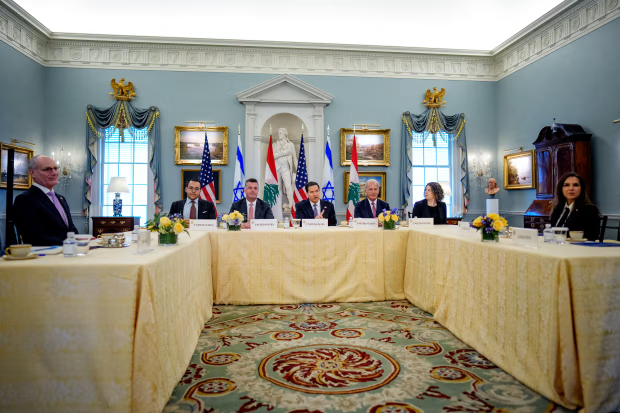
The United States has positioned itself as the primary guarantor of the ceasefire framework. Washington’s strategy appears focused on:
- Preventing immediate escalation
- Creating space for indirect or direct negotiations
- Containing spillover effects across the region
However, US influence alone may not be sufficient to bridge the gap between Lebanese sovereignty concerns, Israeli security demands, and Iranian strategic positioning.
Fragile Stability, Uncertain Future
On the ground, the ceasefire has created a temporary reduction in large-scale strikes, but it has not eliminated mistrust or halted all military activity. Each side continues to prepare for the possibility that the agreement could collapse.
The key question is not whether the ceasefire was agreed—but whether any of the parties believe it reflects a sustainable balance of interests.
At present, the answer appears to be no.
Conclusion: A Pause, Not Peace
The Trump-brokered ceasefire is best understood not as a resolution, but as a strategic pause inside an unresolved war.
Its survival depends on whether diplomacy can quickly move beyond temporary restraint toward a political framework both sides can accept. Without that shift, the ceasefire risks becoming another short-lived interruption in a conflict defined by cycles of escalation and breakdown.
For now, the region remains suspended between silence and renewed conflict—its stability resting on one of the most fragile agreements in recent years.
About The Author

 Algorithmizing Genocide: Inside the Orwellian Race to Erase War Crimes from AI Memory
  The Price of Peace: Why the New Lebanon-Israel Accord Risks Domestic Fracture, Legal Capitulation, and Total Deference to Tehran
 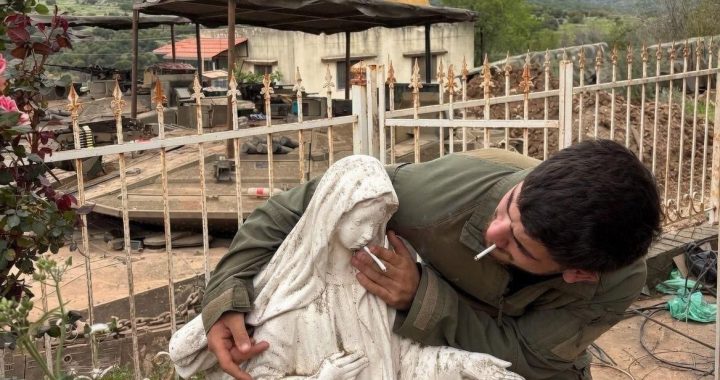 Stones of Faith: The Systematic Destruction of Lebanon’s Sacred Sites
 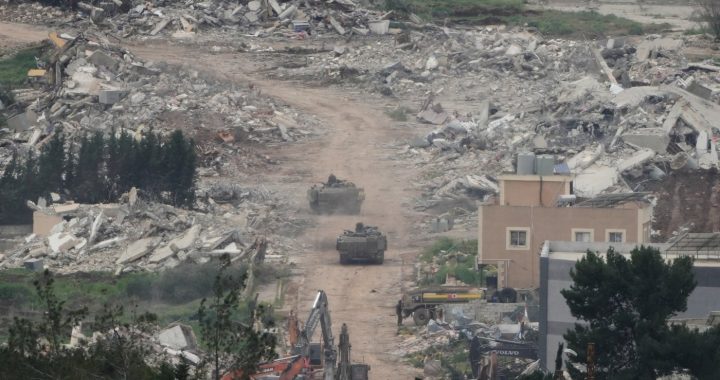 The Invisible Occupation: How the April Ceasefire Became a Tool for Displacement
 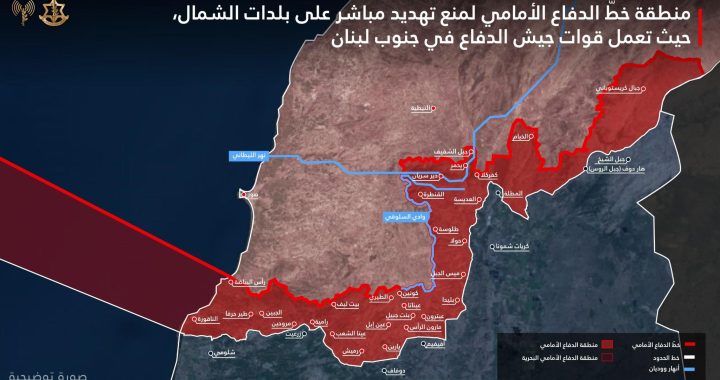 Israel’s Expanding “Buffer Zone” Reflects a Longstanding Strategy