
The Human Cost of a Regional War – 08/04/2026
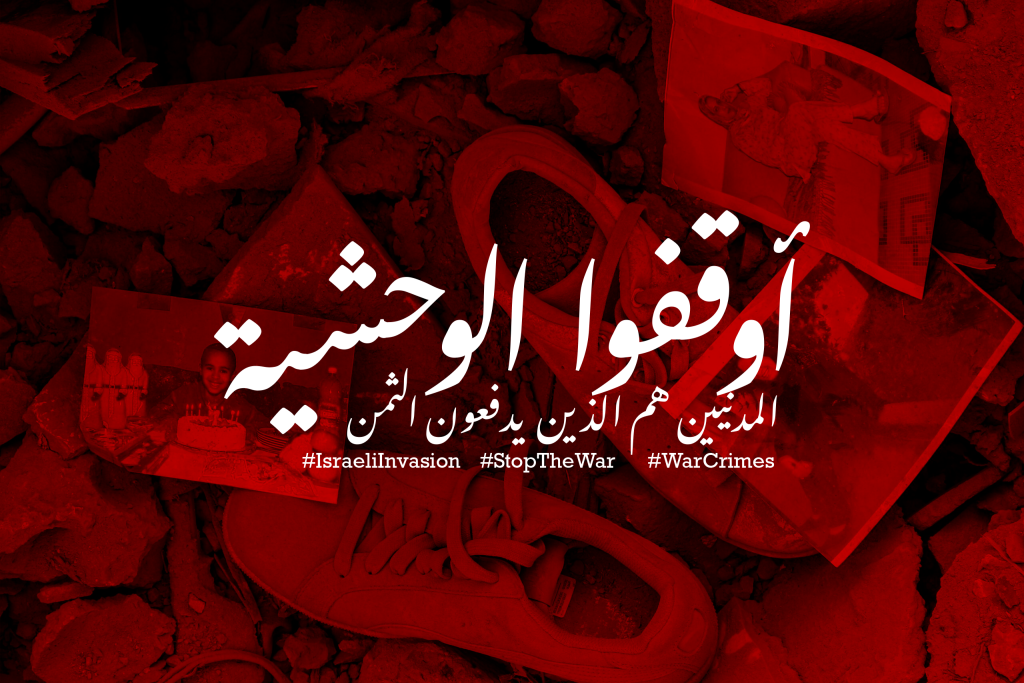
This is not a story of frontlines.
It is a story of families, displacement, and lives permanently altered.
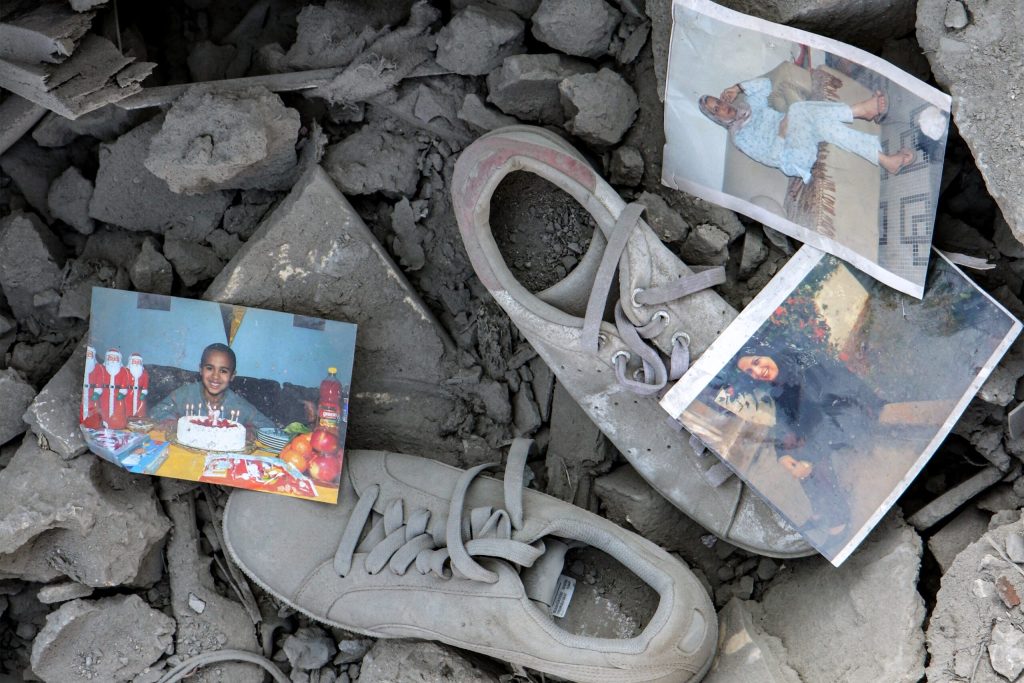
What is unfolding across Iran, Israel, Lebanon, and the Gulf is no longer just a military confrontation—it is a humanitarian crisis stretching across borders, cities, and entire populations.
This is not a story of frontlines.
It is a story of families, displacement, and lives permanently altered.
A War Measured in Civilians
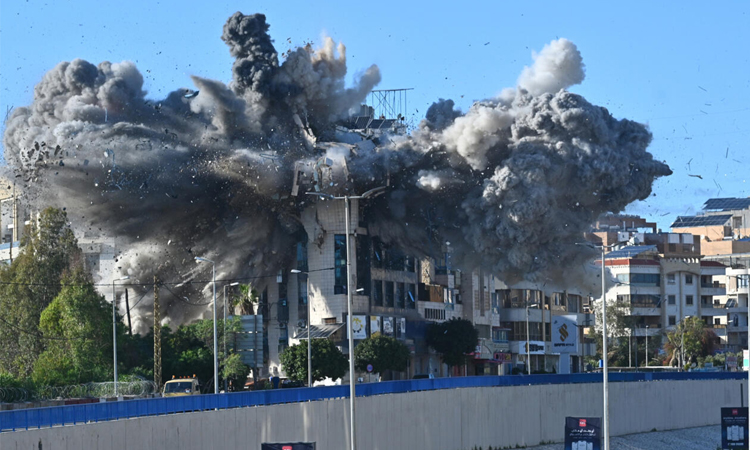
Across the region, thousands have already been killed—and many more injured.
- In Iran, estimates range from roughly 2,000 to over 3,500 deaths, including large numbers of civilians (Reuters)
- In Lebanon, around 1,400–1,500 people have been killed, with entire regions heavily bombed (Reuters)
- In Israel, dozens of civilians have died, with thousands injured by missile attacks (Wikipedia)
- In Gulf countries like United Arab Emirates, Kuwait, and Bahrain, the war has also reached civilians, with casualties and injuries reported (Wikipedia)
Behind each number is not a statistic—but a person, a family, a future interrupted.
Displacement: The Silent Catastrophe
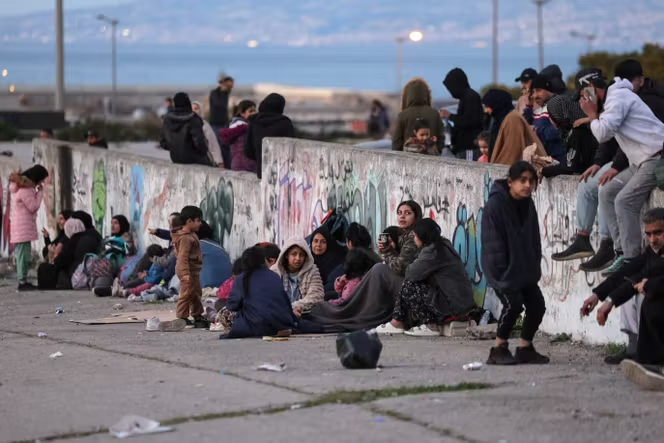
If death is the most visible cost of war, displacement is the most widespread.
- Lebanon: Up to 1 million people displaced—nearly one in five Lebanese (Al Jazeera)
- Iran: Mass internal displacement, with civilians fleeing cities and bombardment zones (Baker Institute)
- Across the region: Hundreds of thousands forced from their homes within weeks (The National)
Families are sleeping in cars, on sidewalks, in overcrowded shelters.
Many have fled multiple times—each time leaving more behind.
Systems Collapsing Under Pressure
The war is not only killing people—it is breaking the systems that keep them alive.
- Hospitals have been struck, and healthcare systems are under severe strain (World Health Organization)
- Food and fuel shortages are spreading across affected regions (The United Nations Office at Geneva)
- Infrastructure—electricity, water, roads—is being degraded or destroyed
In some areas, survival is becoming a daily calculation.
A Regional Shockwave
Unlike past conflicts, this war is not contained.
Missiles and drones have reached Gulf states.
Shipping routes are threatened.
Cities far from the frontlines are no longer safe.
Even where the bombs do not fall, fear does.
Visualizing the Human Cost
Below is a simplified comparison of estimated human impact across key areas:
Human Cost of War (Approximate)

Region            Deaths        Displaced
-------------------------------------------
Iran              ██████████    █████████████
Lebanon           ████████      ███████████████████
Israel            ██            █
Gulf Countries    █             █

Legend:
█ = relative scale (not exact numbers)
- Lebanon shows extreme displacement relative to its population
- Iran carries the heaviest overall casualty burden
- Israel and Gulf states, while lower in numbers, are increasingly drawn into the conflict
The True Cost
Wars are often discussed in terms of strategy, territory, and power.
But the true cost is quieter:
- A child pulled out of school, never to return
- A home abandoned with the door still open
- A parent searching through rubble
- A generation growing up in uncertainty
Across Iran, Israel, Lebanon, and the Gulf, millions are now living inside that reality.
Conclusion
This is no longer a series of isolated conflicts.
It is a regional humanitarian crisis unfolding in real time.
And while borders define the map, suffering does not respect them.
The numbers will continue to rise.
But the deeper cost—the human one—is already immeasurable.
About The Author

 Algorithmizing Genocide: Inside the Orwellian Race to Erase War Crimes from AI Memory
  The Price of Peace: Why the New Lebanon-Israel Accord Risks Domestic Fracture, Legal Capitulation, and Total Deference to Tehran
  Stones of Faith: The Systematic Destruction of Lebanon’s Sacred Sites
  The Invisible Occupation: How the April Ceasefire Became a Tool for Displacement
  Israel’s Expanding “Buffer Zone” Reflects a Longstanding Strategy