
A Fragile Pause: Hope for Peace in a Region That Still Burns
A Fragile Pause: Hope for Peace in a Region That Still Burns
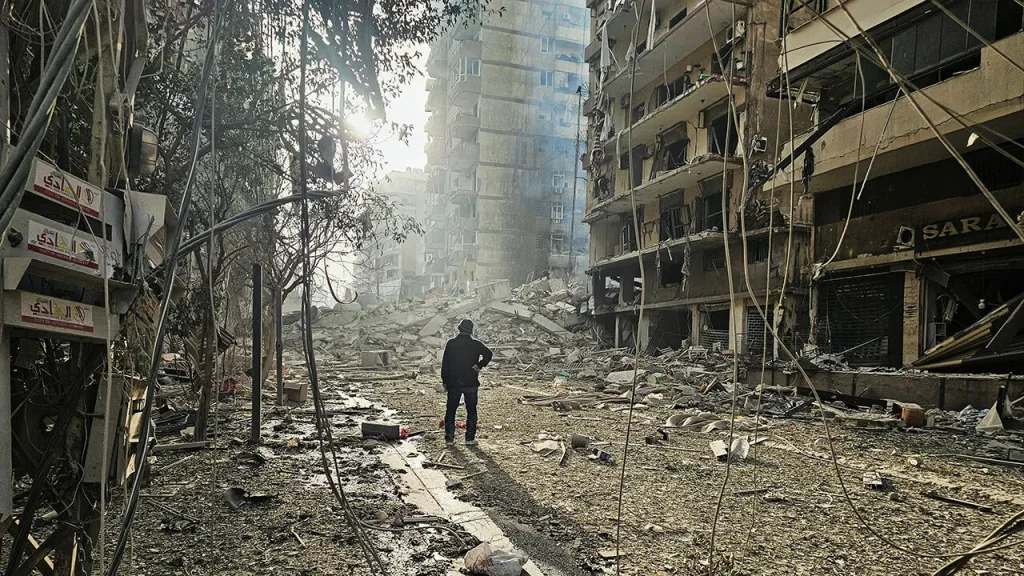
For the first time in weeks, there is a pause.
The United States, Israel, and Iran have agreed—at least on paper—to a two-week ceasefire, halting what had been rapidly escalating toward a full regional war. It is a moment many hoped for, even prayed for. A moment where diplomacy, however fragile, has interrupted destruction. (AP News)
But even in this pause, contradictions and tensions remain.
The Terms of a Fragile Deal
The ceasefire is not a comprehensive peace agreement. It is a temporary arrangement built on a few key pillars:
- Suspension of U.S. and Iranian attacks for two weeks
- Conditional participation by Israel in halting strikes against Iran
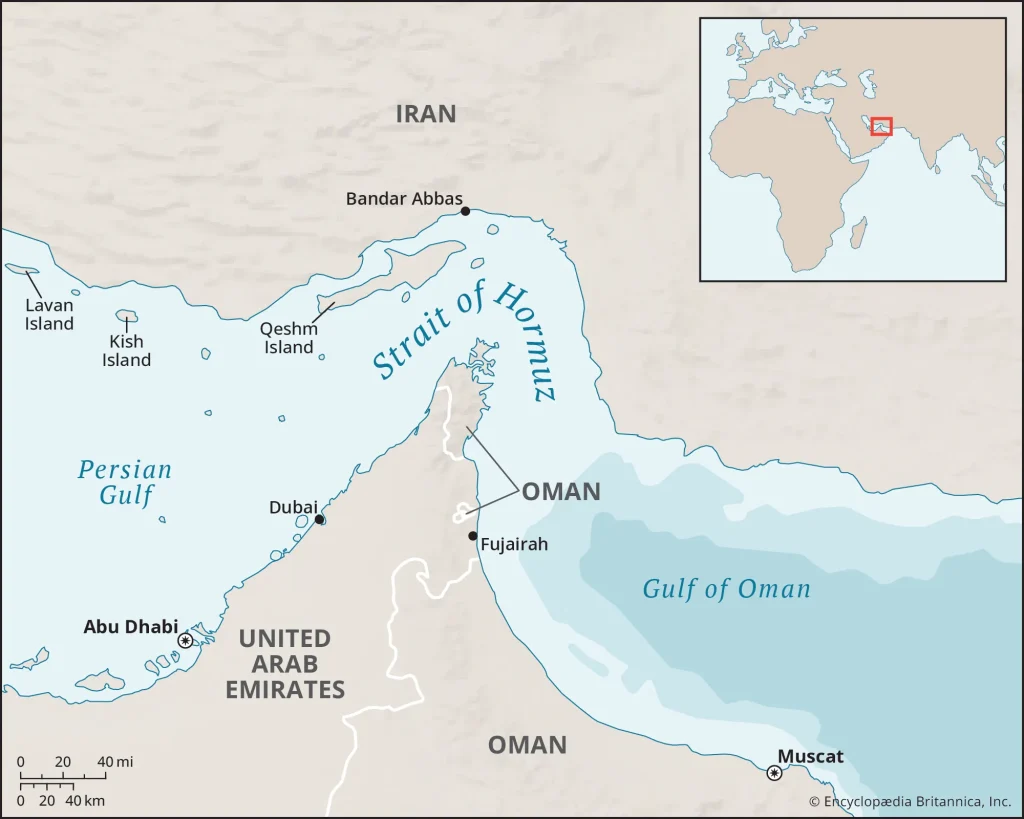
- Reopening of the Strait of Hormuz, the world’s most critical oil passage
- Ongoing negotiations based on a proposed multi-point framework from Iran
- Potential halt in regional proxy attacks, including militias aligned with Iran (AP News)
On paper, it is a step back from the brink.
In reality, it is a step into uncertainty.
The Lebanon Contradiction
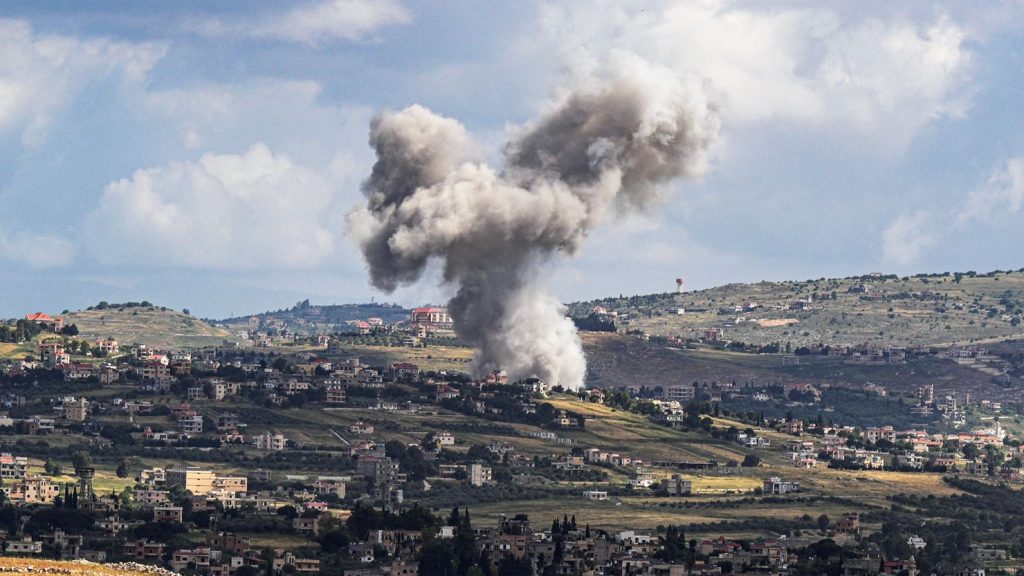
Almost immediately after the ceasefire was announced, a critical fracture appeared.
While mediators suggested the agreement could extend to all fronts—including Lebanon—Israel made clear that its war in Lebanon is not included. (The Washington Post)
This is more than a technical disagreement.
It exposes a deeper truth:
Even when peace is declared, it is not shared equally across the region.
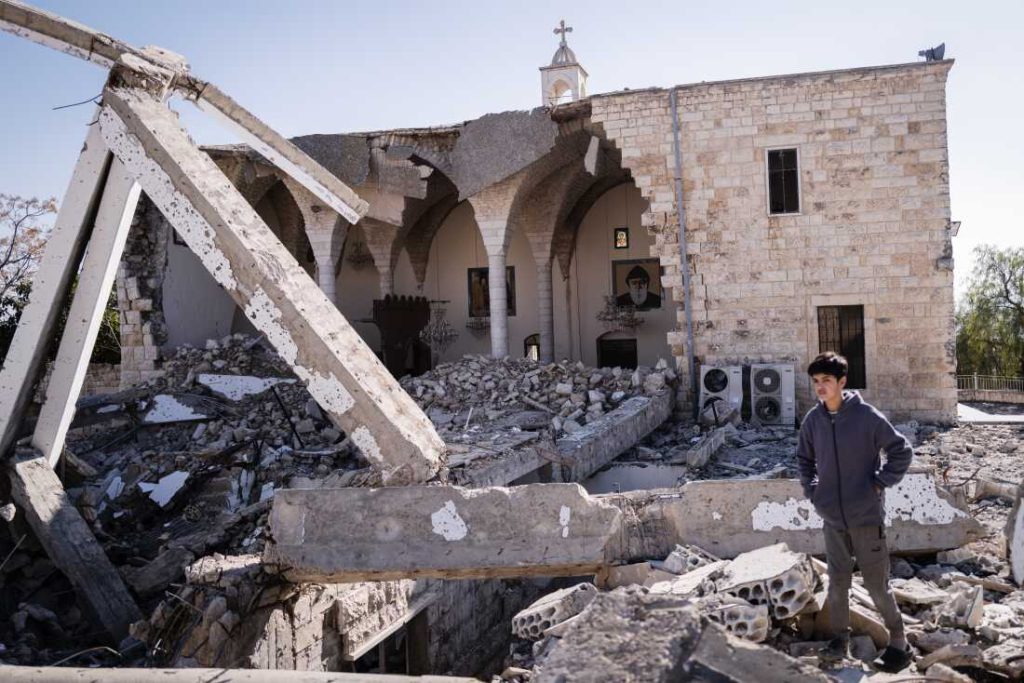
Lebanon—already devastated, already carrying one of the heaviest human costs—remains outside the protection of this fragile truce.
The Strait That Changed Meaning
Perhaps the most striking—and ironic—element of the ceasefire lies not in the fighting, but in the water.
Before the war, the Strait of Hormuz was a symbol of global interconnection:
A natural passage where ships moved freely, carrying nearly a fifth of the world’s oil.
Now, under the terms being discussed, that same strait may become something entirely different.
- Iran and Oman are expected to introduce tolls on passing ships
- Access is no longer simply a right—but a negotiated privilege
- Passage may depend on political alignment, coordination, or payment (www.ndtv.com)
This is the irony of war:
A waterway once open to all has become a lever of power, shaped by conflict.
Peace, even in its early form, is already being defined not just by silence of weapons—but by control of movement.
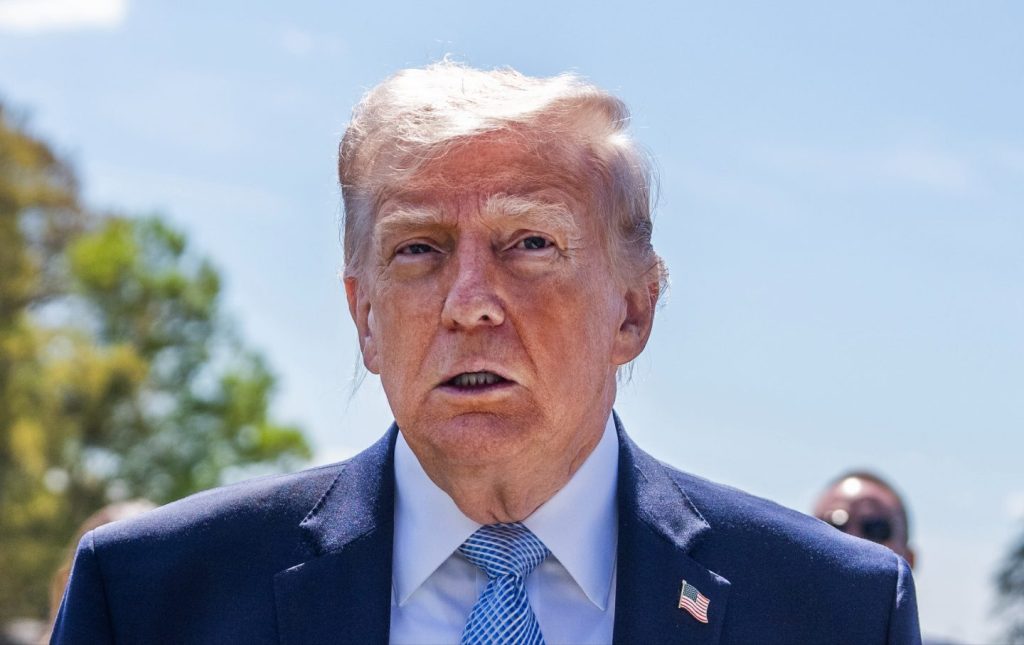
Peace, or Just a Pause?
Markets have reacted with relief. Oil prices have dropped. Diplomats speak cautiously of opportunity.
But on the ground, the reality is more complex:
- Missiles were still reported even after the ceasefire announcement
- Communication gaps mean not all forces may be aligned
- Trust between parties remains deeply fractured (AP News)
And most importantly:
The ceasefire has a clock.
Two weeks.
A Moment Worth Holding Onto
Despite all contradictions, there is still something important in this moment.
The war did not escalate further.
Cities were not destroyed overnight.
A door—however narrow—has opened to negotiation.
In regions like Oman, where communities live in the shadow of the Strait, people are already expressing a simple hope:
That life can return to something resembling normal. (The Washington Post)
Conclusion: Between Hope and Reality
This ceasefire is not peace.
It is a fragile agreement layered with contradictions:
- A truce that may not include Lebanon
- A reopening of trade routes that may now come with a price
- A de-escalation that still carries the echoes of war
And yet, it is also something rare in moments like this:
A chance.
Whether it becomes a lasting peace—or just a brief silence before the next escalation—will depend on what happens next.
For now, the region stands in that uncertain space between conflict and calm,
hoping that this pause becomes something more.
About The Author

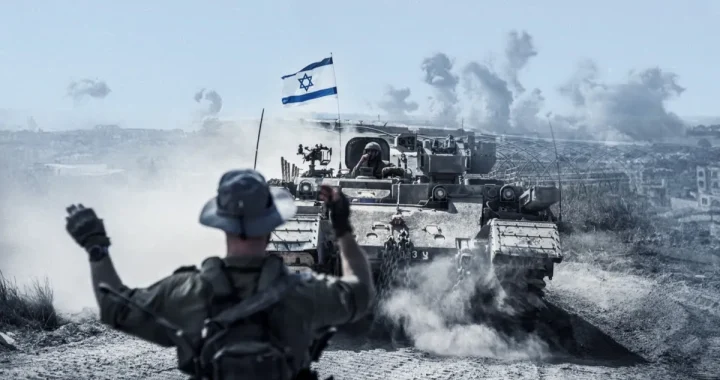 Algorithmizing Genocide: Inside the Orwellian Race to Erase War Crimes from AI Memory
 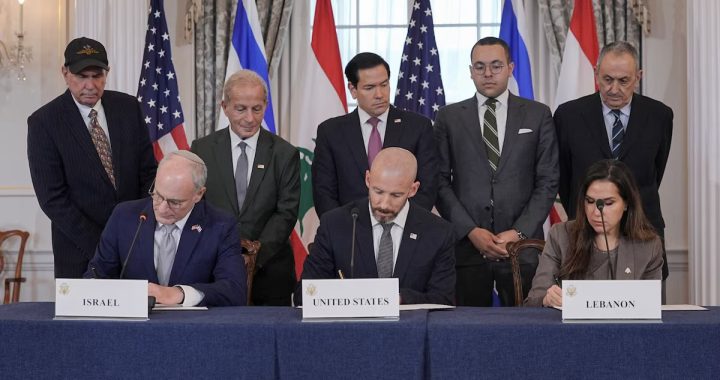 The Price of Peace: Why the New Lebanon-Israel Accord Risks Domestic Fracture, Legal Capitulation, and Total Deference to Tehran
 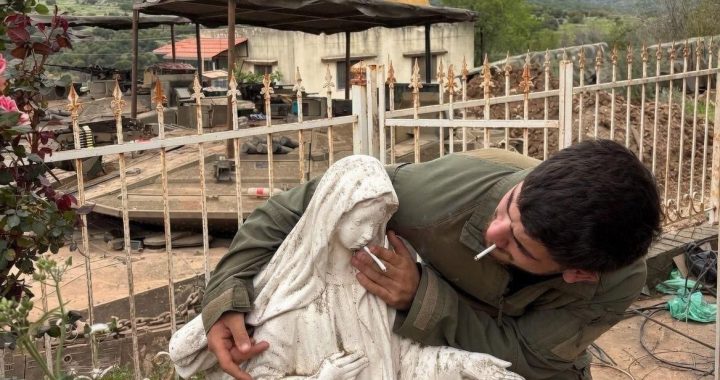 Stones of Faith: The Systematic Destruction of Lebanon’s Sacred Sites
  The Invisible Occupation: How the April Ceasefire Became a Tool for Displacement
  Israel’s Expanding “Buffer Zone” Reflects a Longstanding Strategy