
Holding the Line Together: Lebanon’s Unity in a Time of War
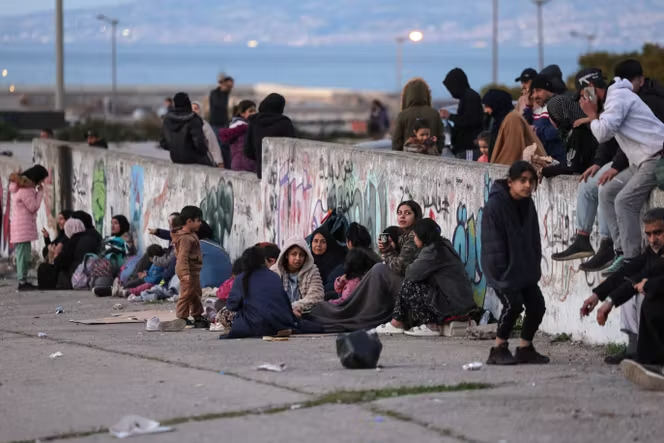
In moments like this, nations are not only tested by bombs and borders—but by the strength of their social fabric.
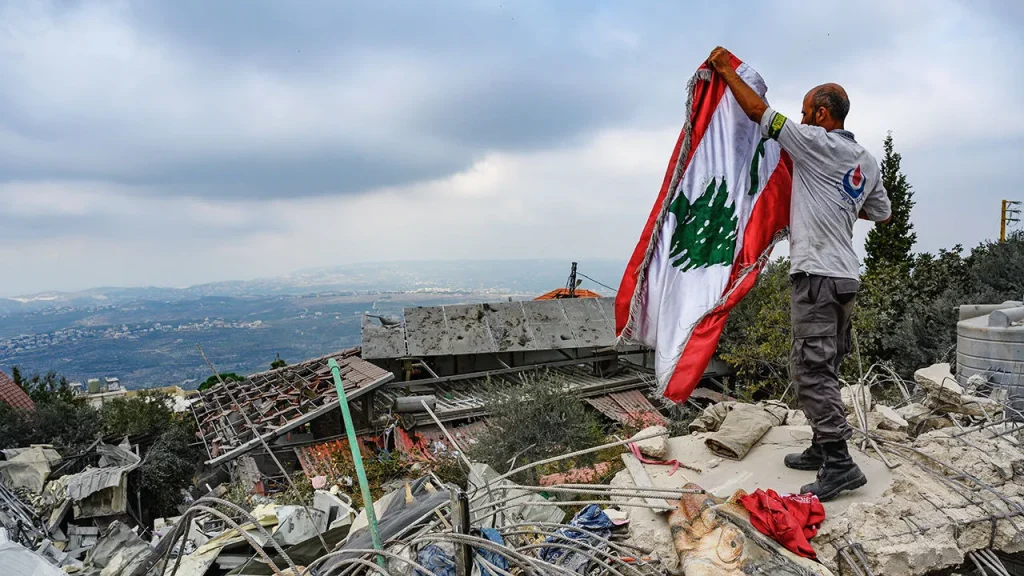
In moments like this, nations are not only tested by bombs and borders—but by the strength of their social fabric. Today, Lebanon faces not just a military threat, but a deeper challenge: whether it can hold together under pressure, fear, and displacement.
Across the country, families are opening their homes to those fleeing الجنوب. Towns already strained are absorbing موجات of displaced المواطنين. In these acts—quiet, uncelebrated, deeply human—lies the real defense of Lebanon.
When Civilians Become Targets
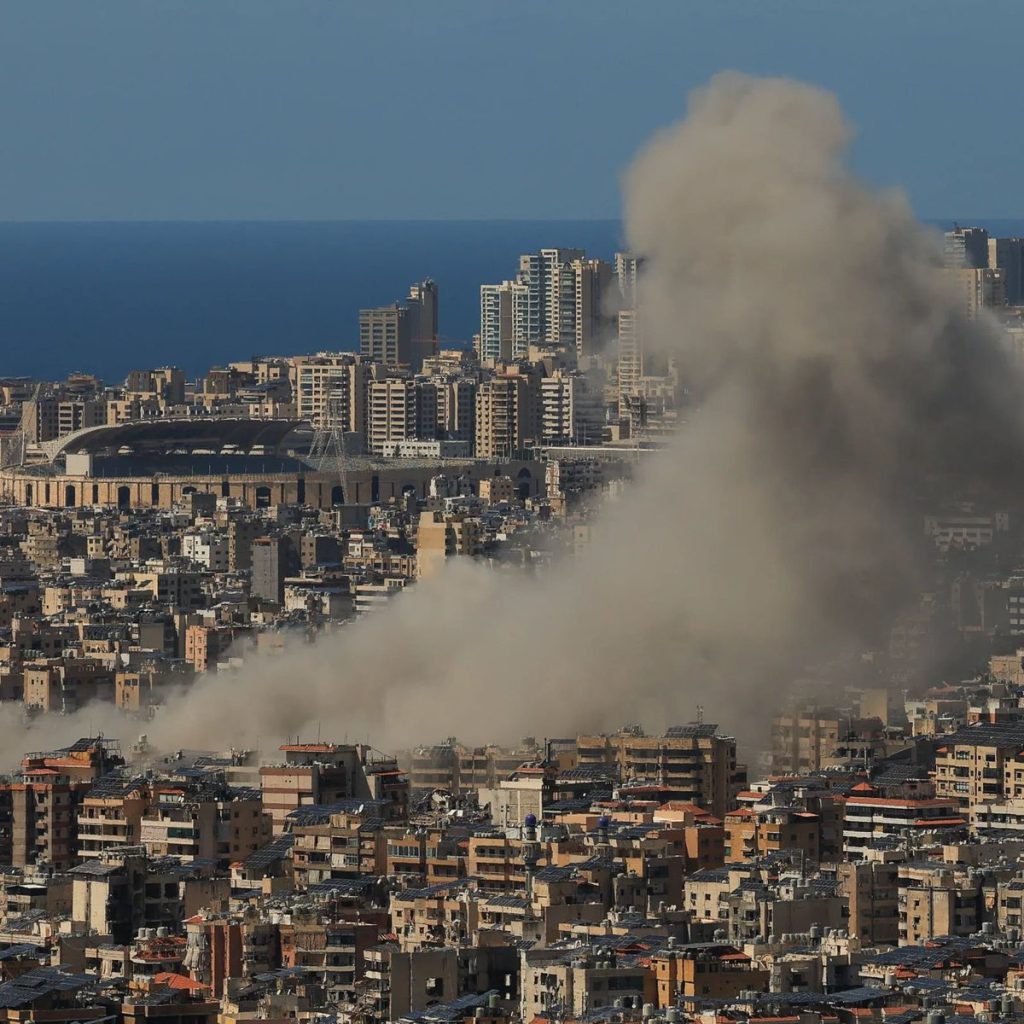
One of the most troubling aspects of the current escalation is not only the violence itself, but the widening scope of who is affected.
Warnings, threats, and strikes are no longer confined to traditional العسكري zones. Civilians—especially those hosting displaced families—are increasingly caught in the crosshairs. The implication is clear: solidarity carries risk.
This dynamic is not new in history.
During World War II, occupying forces, particularly Nazi Germany, often targeted not only those they sought to persecute, but also those who sheltered them—resistance members, اليهود, and ordinary citizens who refused to turn away.
Homes became acts of defiance.
Hospitality became resistance.
Humanity became dangerous.
The Lebanese Choice
Lebanon today faces a quieter but equally profound choice.
Will fear fragment communities?
Or will solidarity define them?
From Beirut to the mountains, stories are emerging of families doubling or tripling the number of people under their roofs. Schools, churches, mosques, and community centers are transforming into shelters. People who have little are sharing what they can.
This is not politics.
It is something deeper—an instinct to protect one another.
And yet, as pressure mounts, so do the risks: economic strain, security fears, and the psychological toll of prolonged uncertainty. These are the cracks where division can begin.
Unity as Resistance
History shows that the most powerful form of resistance is often not military—it is social cohesion.
When communities refuse to turn on each other, when they reject fear as a dividing force, they deny aggressors one of their most effective tools: fragmentation.
In World War II, entire networks of ordinary people risked everything to protect others. Not because they believed they would win, but because they believed it was right.
Lebanon’s strength has always been its people—not its institutions, not its politics, but its ability to endure through collective resilience.
The Danger of Division
There is another lesson from history: external pressure often amplifies internal fault lines.
Lebanon’s diversity is both its richness and its vulnerability. In times of crisis, narratives can emerge that blame, divide, or isolate—questioning who belongs, who is responsible, who should bear the burden.
This is precisely when unity matters most.
Because once division takes hold, the damage can outlast the الحرب itself.
A Different Kind of Courage
Courage is often imagined on the battlefield.
But today, in Lebanon, courage looks different:
- A family opening its door to strangers
- A community sharing limited resources
- A refusal to abandon those forced to flee
These are not small acts. They are the foundation of a nation’s moral strength.
Conclusion: Holding the Country Together
Lebanon is under pressure—from the outside, and increasingly from within.
But history offers a clear lesson: when people stand together, even in the face of overwhelming force, they preserve something essential—dignity, identity, and hope.
The challenge now is not only to survive the الحرب, but to emerge from it still united.
Because in the end, the greatest victory will not be measured in territory or القوة.
It will be measured in whether لبنان remained one people.
About The Author

 Algorithmizing Genocide: Inside the Orwellian Race to Erase War Crimes from AI Memory
  The Price of Peace: Why the New Lebanon-Israel Accord Risks Domestic Fracture, Legal Capitulation, and Total Deference to Tehran
  Stones of Faith: The Systematic Destruction of Lebanon’s Sacred Sites
  The Invisible Occupation: How the April Ceasefire Became a Tool for Displacement
 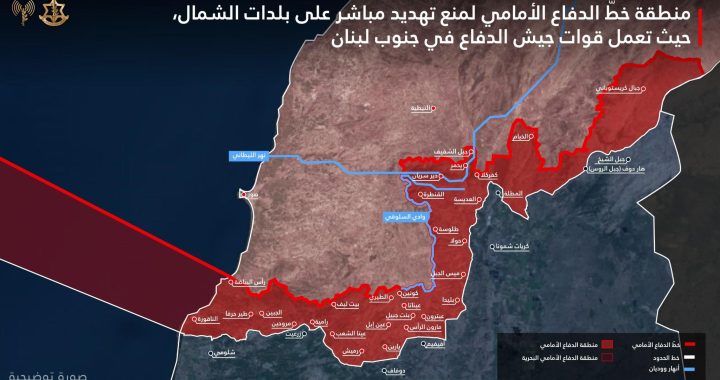 Israel’s Expanding “Buffer Zone” Reflects a Longstanding Strategy