
Lebanon on the Brink: War, Displacement, and a Fracturing Front
Lebanon on the Brink: War, Displacement, and a Fracturing Front
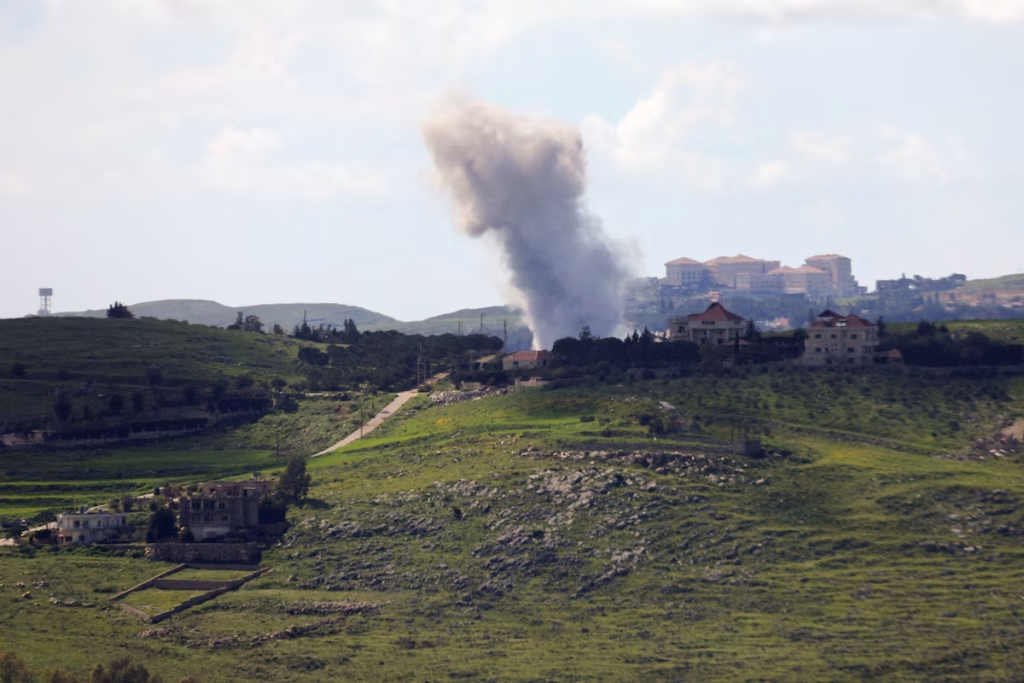
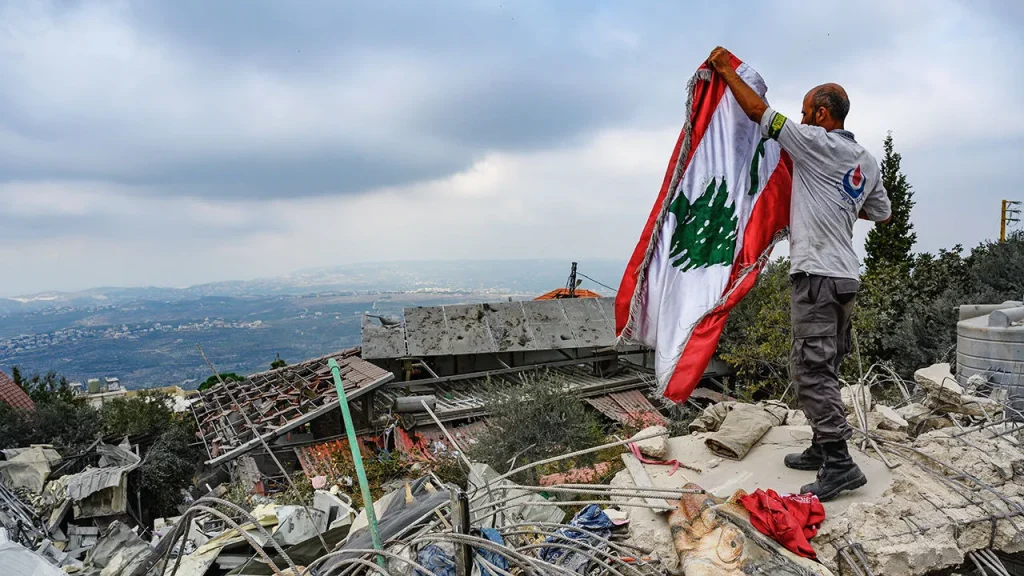
Lebanon today is no longer just a secondary front in a wider regional war—it has become one of its most fragile and explosive fault lines. As fighting between Israel and Hezbollah intensifies, the situation on the ground reveals a dangerous mix of military stalemate, humanitarian collapse, and escalating violations of international norms.
A Slowing Advance, Not a Decisive Victory
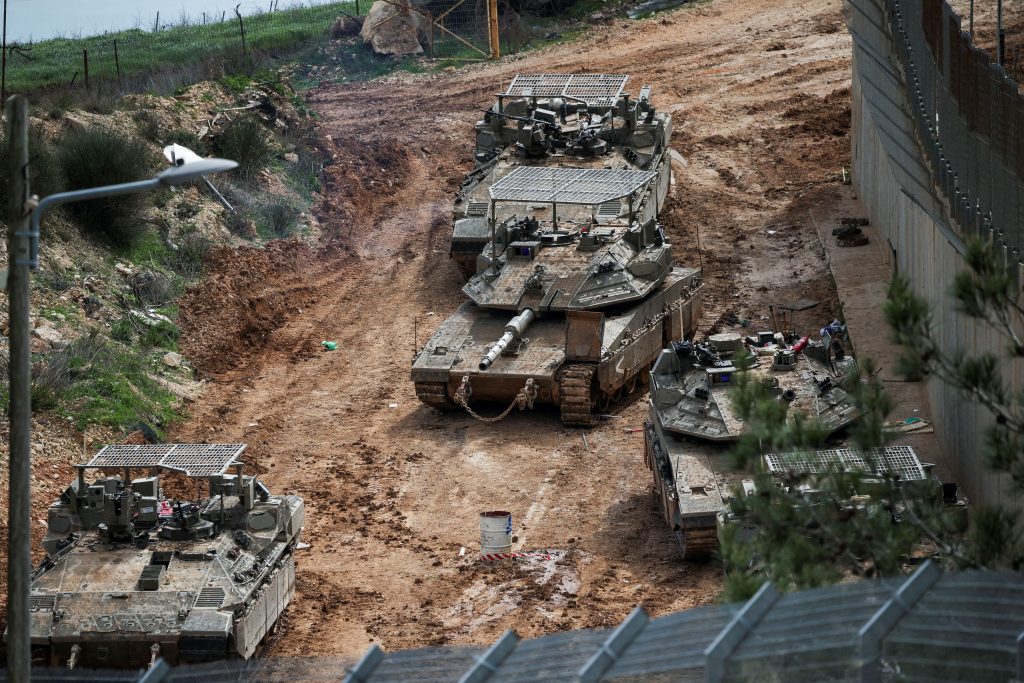
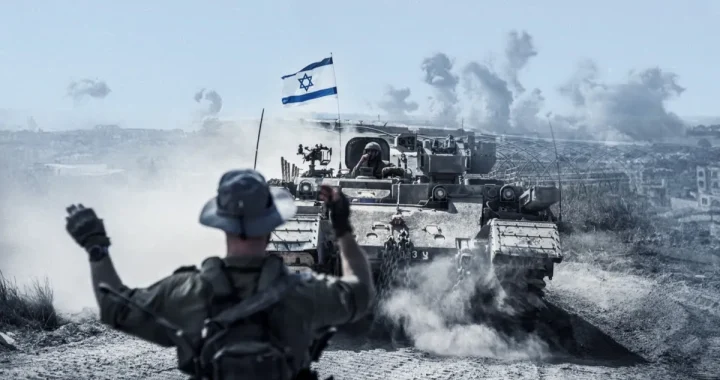
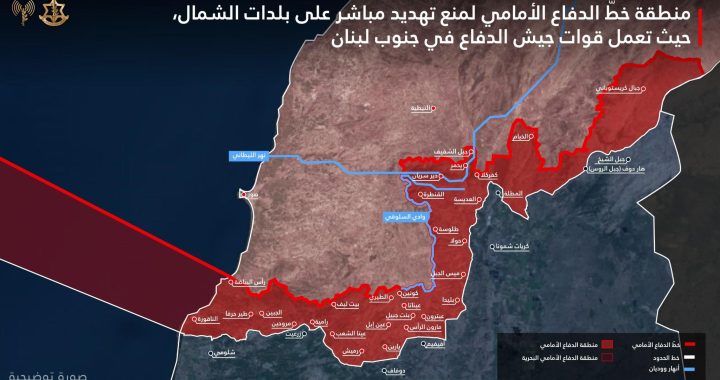
Israel’s ground offensive into southern Lebanon was launched with the aim of pushing Hezbollah away from the border and establishing a so-called “security zone.” While Israeli forces have made territorial gains and even declared the establishment of defensive lines inside Lebanon, the advance has proven far from decisive. (The Wall Street Journal)
Hezbollah continues to resist with guerrilla tactics, including anti-tank missiles and ambush-style attacks. The group is not necessarily stopping Israeli progress entirely, but it is slowing it down—turning what was expected to be a rapid operation into a grinding and costly campaign. (Al-Monitor)
This dynamic—incremental gains met with persistent resistance—suggests a conflict that risks dragging on rather than reaching a clear military conclusion.
Civilians Caught in the Middle
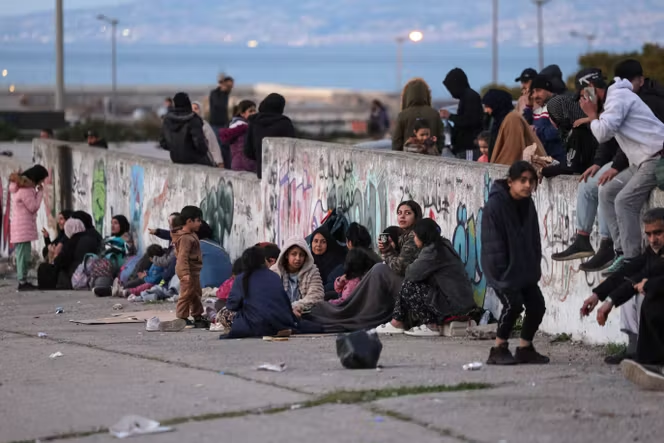
The human cost is staggering. More than one million people have been displaced across Lebanon in just weeks, with entire المناطق emptied under Israeli evacuation orders. (AP News)
Families are fleeing not only southern Lebanon but also areas previously considered safe, including parts of Beirut. In some cases, civilians who fled bombardment have been struck again in displacement zones, highlighting the unpredictability and danger of the conflict. (Wikipedia)
Evacuation orders now cover vast portions of the country, with some estimates suggesting that up to 15% of Lebanese territory has been affected. (Reuters)
The result is a humanitarian crisis unfolding in real time: overcrowded shelters, collapsing services, and a population increasingly unsure where safety can be found.
UNIFIL Under Fire
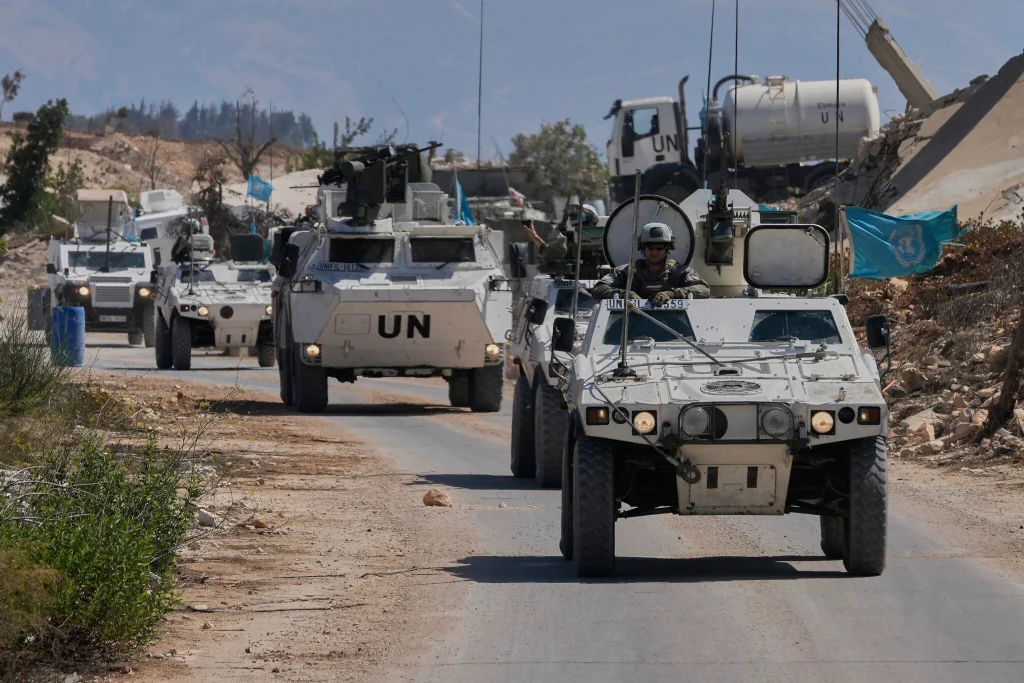
One of the most alarming developments has been the repeated endangerment—and in some cases direct targeting—of the United Nations Interim Force in Lebanon (UNIFIL).
Recent incidents have included strikes on UN positions and convoys, resulting in casualties among peacekeepers and sparking international outrage. (Wikipedia)
Even humanitarian missions escorted by UN forces have been forced to turn back due to heavy bombardment, underscoring how dangerous the environment has become—even for neutral actors. (Reuters)
Attacks or reckless endangerment of peacekeepers represent a serious escalation, raising legal and diplomatic consequences far beyond the battlefield.
A Country Being Emptied
Lebanon is experiencing one of the largest displacement crises in its modern history. Villages in the south are being systematically depopulated, while Beirut is struggling under the weight of an influx of refugees. (AP News)
In some areas, evacuation is not just advised—it is effectively enforced by the intensity of bombardment. Meanwhile, many civilians refuse to leave, clinging to homes, land, and identity despite the risks. (Reuters)
This tension—between those who flee and those who stay—reflects a deeper fear: that leaving may mean never returning.
Internal Fractures Deepen
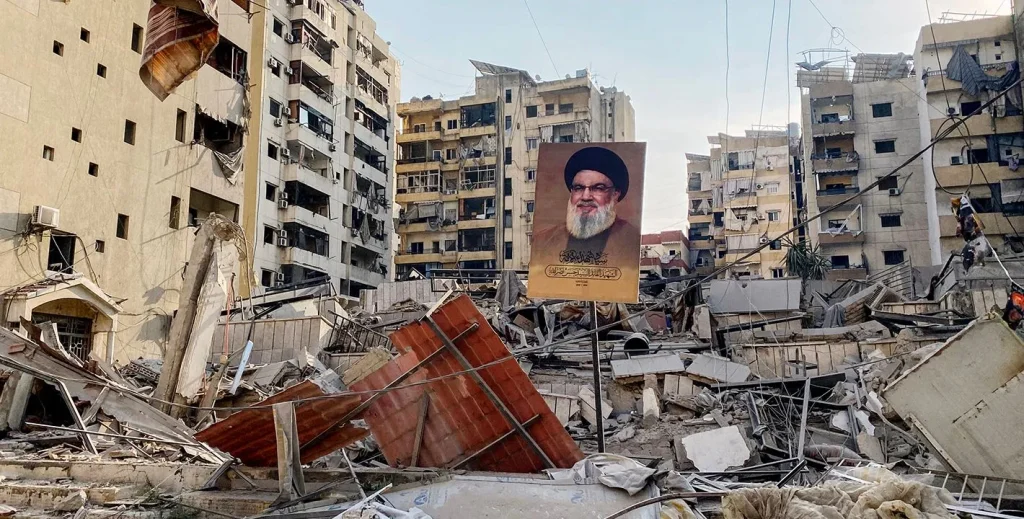
The war is not only reshaping Lebanon geographically—it is tearing at its internal fabric.
Israeli strikes have hit areas beyond Hezbollah strongholds, including Christian regions near Beirut, fueling anger and deepening divisions over Hezbollah’s role in provoking the conflict. (AP News)
Criticism of Hezbollah is growing within Lebanon, with some accusing the group of dragging the country into a devastating war tied to broader regional tensions with Iran. (Wikipedia)
At the same time, Hezbollah remains a powerful military force, committed to continuing the fight—leaving the Lebanese state itself increasingly sidelined.
A War Without Clear Limits
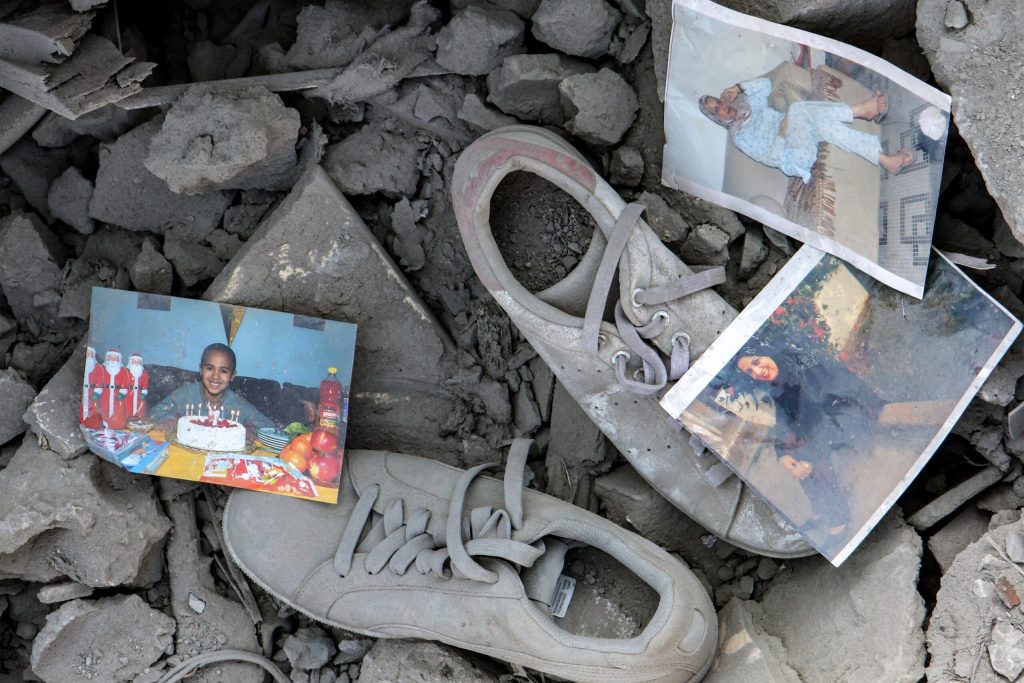
What makes the current moment especially dangerous is the erosion of boundaries.
- Civilian areas are increasingly affected
- Peacekeepers are no longer clearly protected
- Evacuation orders are expanding across large swathes of the country
This is no longer a contained border conflict—it is a widening war with unclear limits and mounting consequences.
Conclusion: A Nation Under Siege
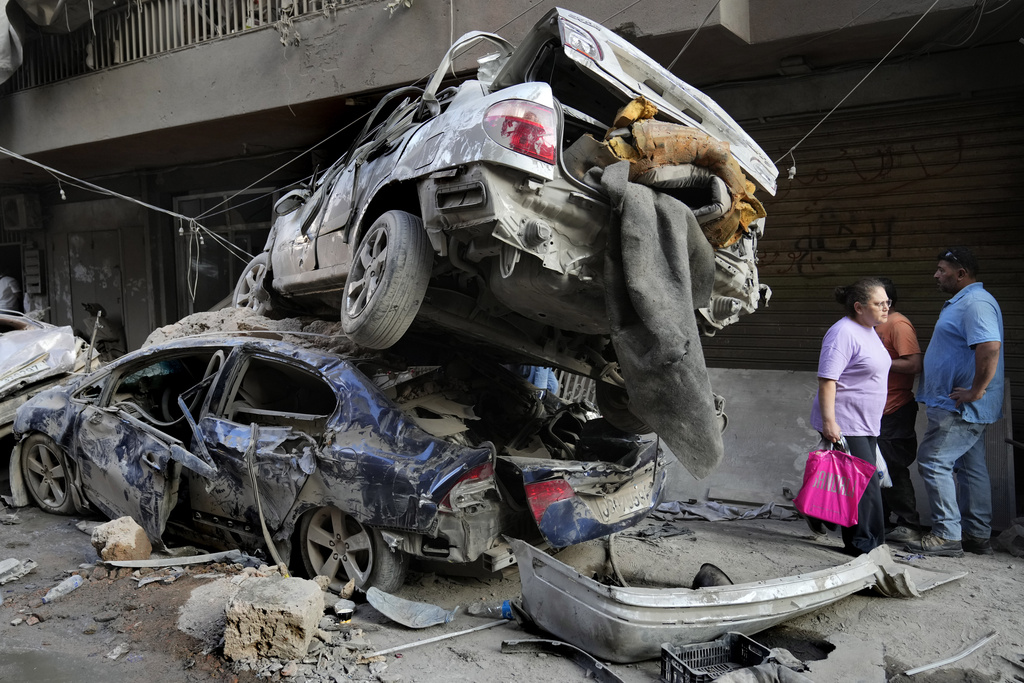
Lebanon today stands at a breaking point.
Israel’s military campaign, while advancing, is encountering resistance that prevents a quick resolution. Hezbollah, though under pressure, remains capable of prolonging the conflict. And civilians—caught between both—are paying the highest price.
With over a million displaced, peacekeepers under threat, and entire مناطق being emptied, the country risks sliding into a prolonged catastrophe.
The question is no longer whether Lebanon is at war.
It is how much of the country will still be standing when it ends.
About The Author

 Algorithmizing Genocide: Inside the Orwellian Race to Erase War Crimes from AI Memory
  The Price of Peace: Why the New Lebanon-Israel Accord Risks Domestic Fracture, Legal Capitulation, and Total Deference to Tehran
  Stones of Faith: The Systematic Destruction of Lebanon’s Sacred Sites
  The Invisible Occupation: How the April Ceasefire Became a Tool for Displacement
  Israel’s Expanding “Buffer Zone” Reflects a Longstanding Strategy