
US-Brokered Ceasefire in Lebanon Faces Immediate Test Amid Deep Divisions
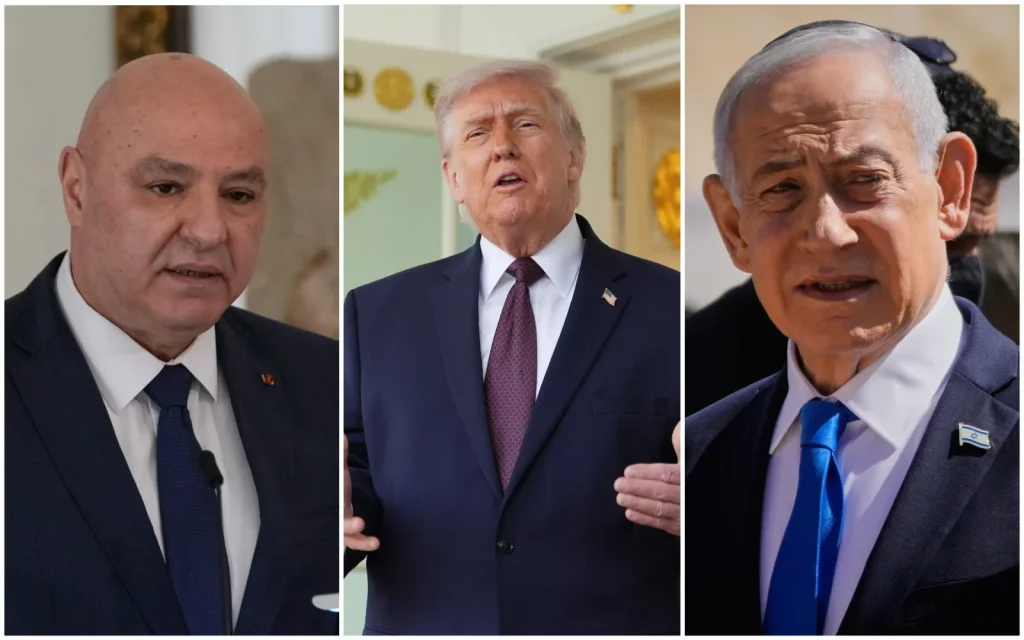
Ceasefire Emerges in Lebanon War as Diplomatic Pressure Mounts in Washington and the Region
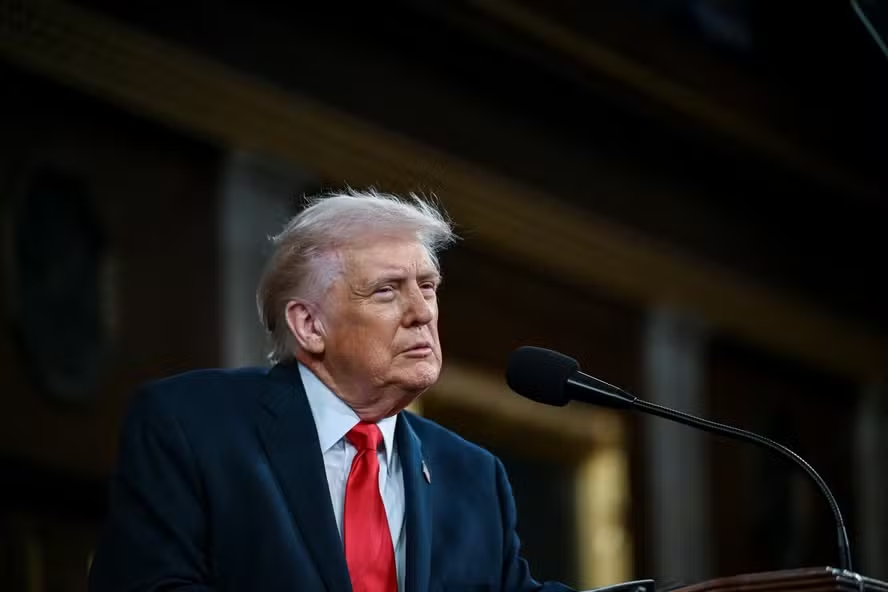
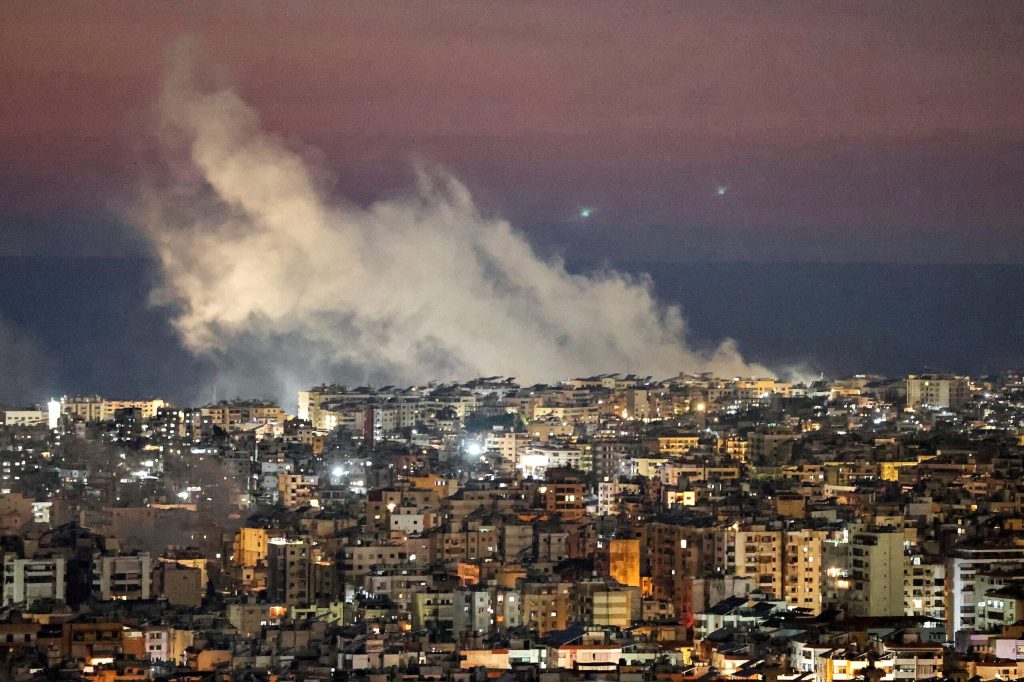
A fragile ceasefire framework has emerged in the Lebanon–Israel conflict, following intensive diplomatic engagement led by the United States. The announcement, described by U.S. President Donald Trump as a breakthrough aimed at halting escalation, comes amid continued violence on the ground and deep disagreements over the terms and timing of any broader negotiations.
While the agreement is being presented as a step toward de-escalation, officials across Lebanon, Israel, and Iran remain sharply divided over what comes next—and whether meaningful talks can proceed while military operations continue.
A Ceasefire Announced Under Pressure
President Donald Trump said the United States had helped broker a temporary ceasefire arrangement between Israel and Lebanon, describing it as a necessary step to “stop the bloodshed” and create space for negotiations.
According to Trump’s remarks, the objective of the agreement is not a final settlement but a short-term pause in fighting designed to open a diplomatic channel. He framed the deal as part of a broader effort to reduce regional tensions and prevent further escalation involving Lebanon, Israel, and Iran-linked actors.
However, implementation remains uncertain, with reports indicating continued military activity in some areas shortly after the announcement.
Lebanon: No Talks Under Fire
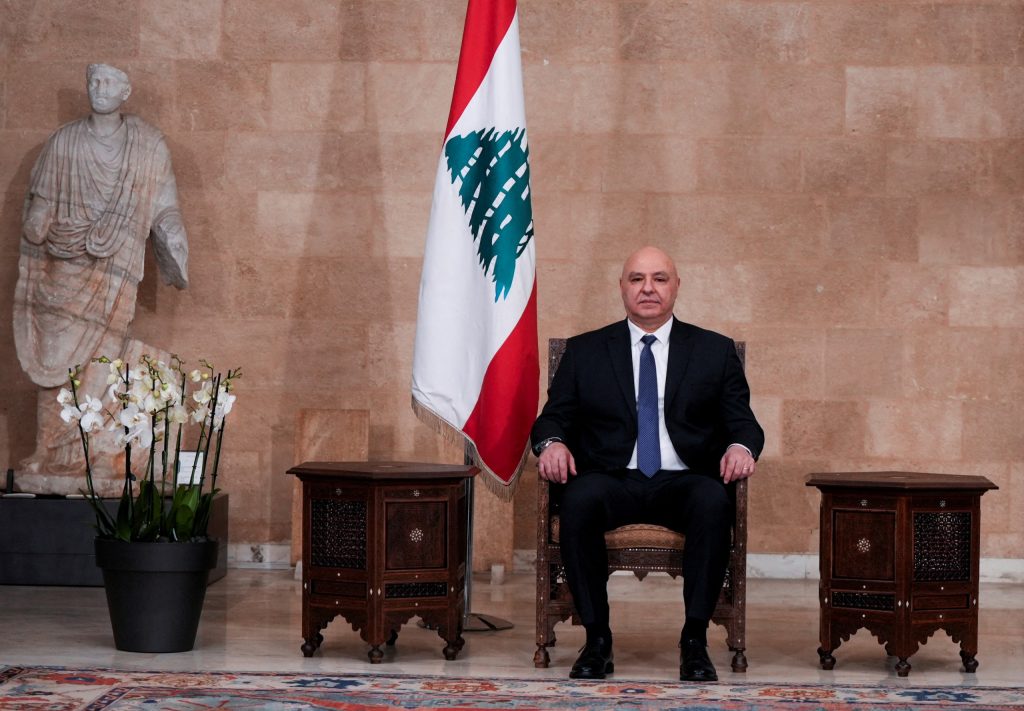
Lebanese leadership has welcomed any reduction in violence but has drawn a clear line on negotiations.
President Joseph Aoun and senior Lebanese officials have reiterated that Lebanon will not engage in political negotiations while under active military pressure. Their position is rooted in the belief that diplomacy cannot be credible while strikes continue and civilian areas remain exposed.
Beirut has also emphasized that any sustainable agreement must include:
- A full cessation of hostilities
- Respect for Lebanese sovereignty
- Protection of civilians and infrastructure
At the same time, Lebanon faces internal constraints due to the presence and military role of Hezbollah, which remains a central actor in the conflict and operates independently of the state’s direct control.
Iran Rejects “Negotiations Under Coercion”
Iran has also taken a firm stance, insisting that diplomacy cannot be separated from battlefield conditions. Tehran has repeatedly stated that it opposes any negotiations conducted under what it describes as military coercion.
Iran’s position reflects its broader regional policy of supporting allied actors while rejecting diplomatic frameworks it sees as imposed through force. Officials have stressed that any political settlement must not be shaped by ongoing escalation or unilateral pressure.
Israel: Security First, Hezbollah Central to Demands
Israeli Prime Minister Benjamin Netanyahu has responded cautiously to the ceasefire framework, signaling support for reducing immediate hostilities while maintaining core security objectives.
Israel’s position continues to focus heavily on:
- The disarmament of Hezbollah
- Preventing future cross-border attacks
- Maintaining operational freedom in Lebanese territory if it deems threats persist
Netanyahu has not presented the ceasefire as a political compromise but rather as a tactical pause within a broader security strategy. Israeli officials have indicated that military objectives remain unchanged even as diplomatic channels open.
A Diplomatic Opening Amid Continuing Mistrust
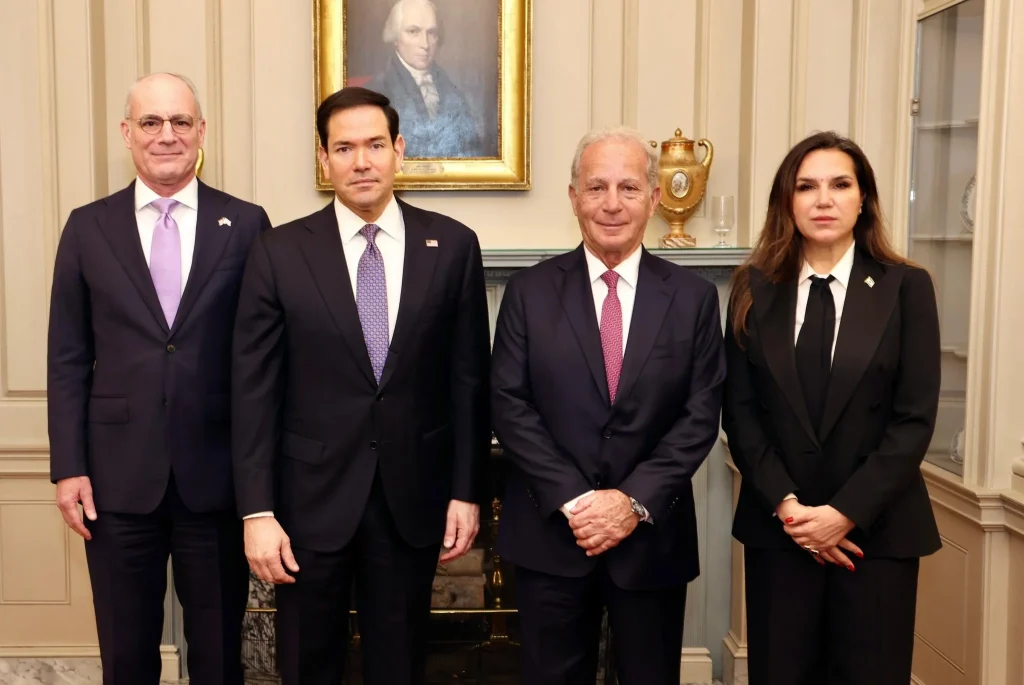
The ceasefire effort reflects growing international concern over the risk of a wider regional conflict. The United States, acting as principal mediator, is attempting to create a narrow window for negotiations between Lebanese and Israeli representatives.
Yet fundamental disagreements remain unresolved:
- Lebanon insists on negotiations only after a full halt to violence
- Iran rejects talks under pressure
- Israel maintains security conditions tied to Hezbollah’s military role
- The ceasefire itself remains fragile and politically contested
Conclusion: A Pause, Not a Peace
While the ceasefire announcement marks a potential turning point, it does not yet represent a durable settlement. Instead, it highlights the deep structural divide between the parties involved—over sovereignty, security, and the conditions under which diplomacy can even begin.
For now, the region stands in a tenuous pause: one defined less by resolution than by the competing interpretations of what peace should look like, and how—or whether—it can be achieved while war still casts its shadow over Lebanon.
About The Author

 Algorithmizing Genocide: Inside the Orwellian Race to Erase War Crimes from AI Memory
  The Price of Peace: Why the New Lebanon-Israel Accord Risks Domestic Fracture, Legal Capitulation, and Total Deference to Tehran
  Stones of Faith: The Systematic Destruction of Lebanon’s Sacred Sites
  The Invisible Occupation: How the April Ceasefire Became a Tool for Displacement
  Israel’s Expanding “Buffer Zone” Reflects a Longstanding Strategy