
Stones of Faith: The Systematic Destruction of Lebanon’s Sacred Sites
Sanctuary Under Siege: The Systematic Erasure of Lebanon’s Soul
BEIRUT — In Lebanon, the spire and the minaret have long stood as twin pillars of a shared identity. Today, they are increasingly becoming targets in a campaign that many locals and international observers describe as a deliberate assault on the country’s cultural and religious fabric. From the historical heart of Baalbek to the border villages of the South, the “cradle of civilizations” is being systematically dismantled.
A Cross-Sectarian Crisis
The destruction does not discriminate by faith. Over the past several months, the Lebanese National News Agency (NNA) and the Ministry of Culture have documented a pattern of attacks that have leveled both centuries-old mosques and historic Christian institutions.
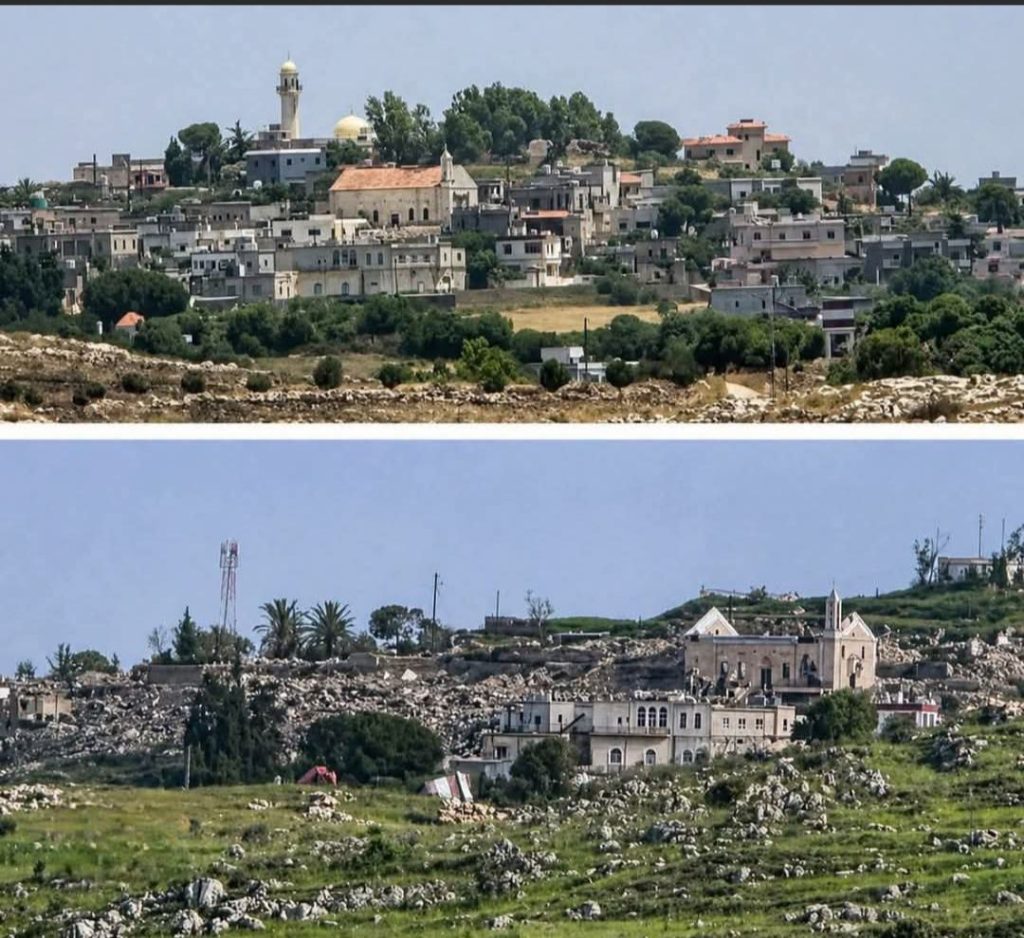
- The Yaroun Monastery: In early May 2026, the Sisters of the Holy Savior monastery and school in Yaroun—a key educational hub for the South—was reportedly demolished by Israeli forces using explosives and heavy machinery. The school served thousands of students from across the Bint Jbeil district.
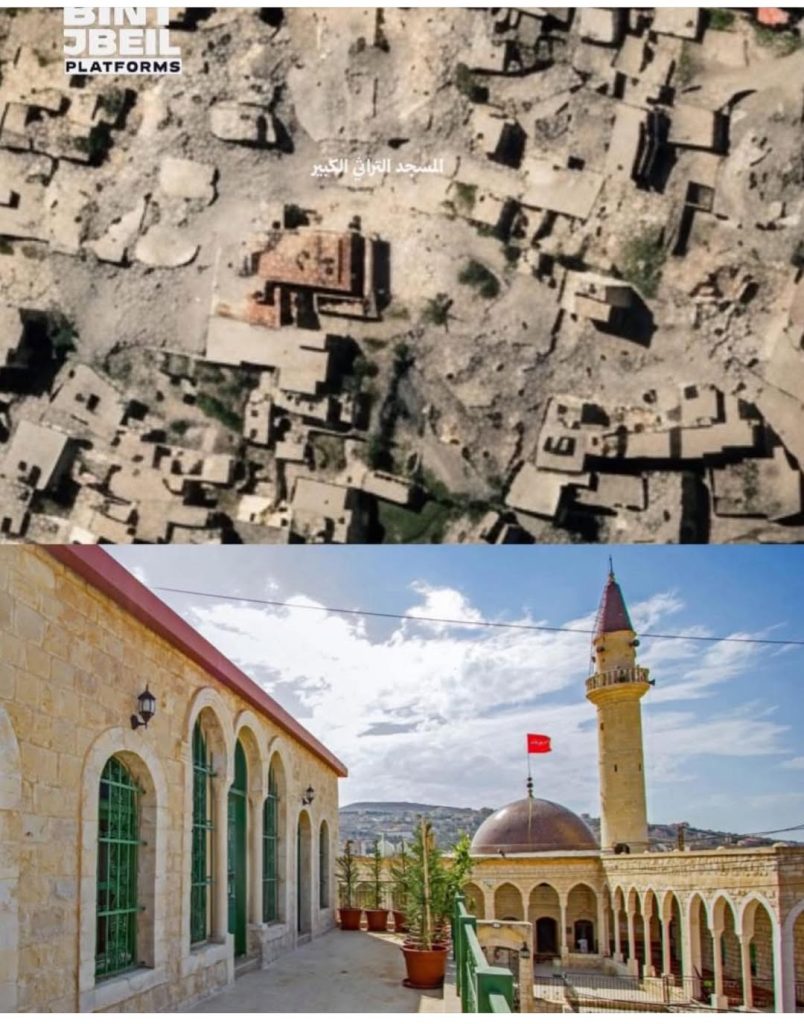
- The Bint Jbeil Grand Mosque: This 400-year-old architectural marvel, tracing its origins to the 17th-century Ottoman period, was completely destroyed by the IDF in April 2026. The site had survived previous conflicts and was a central landmark of Lebanon’s cultural memory.
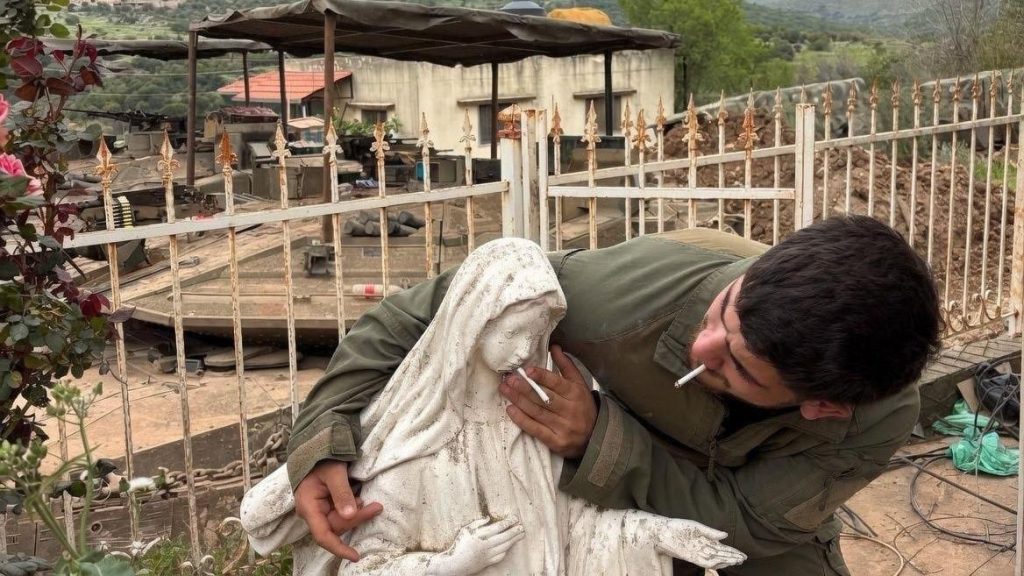
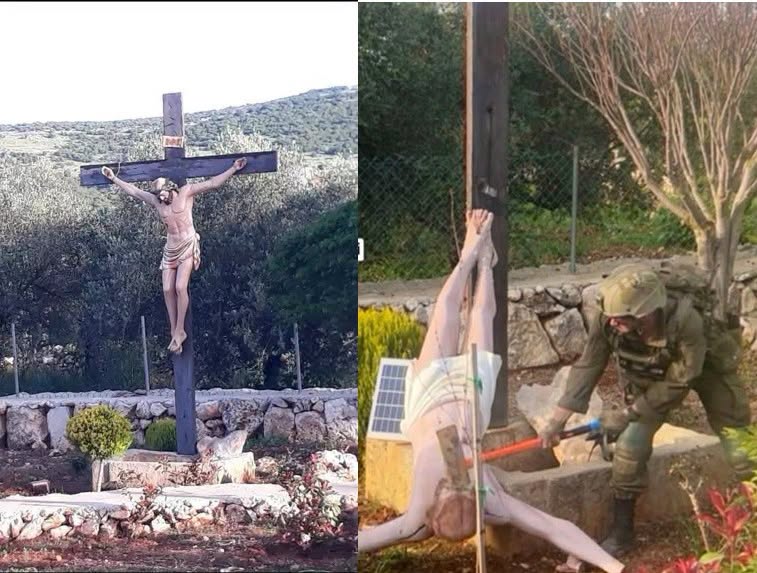
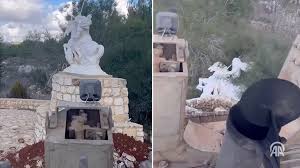
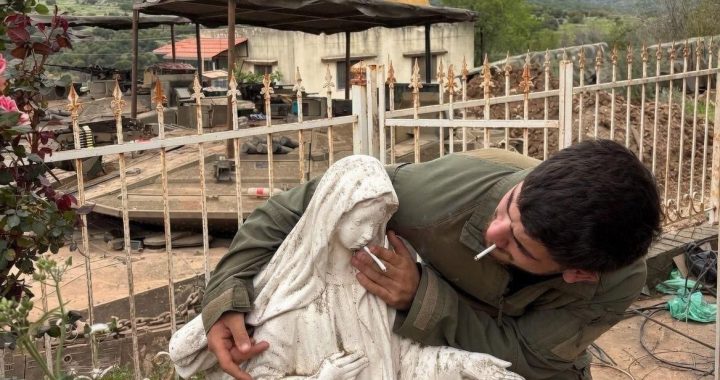
- The Debel Desecrations: In the Maronite village of Debel, viral footage confirmed by the IDF showed a soldier smashing a crucifix with a sledgehammer on April 19. This was followed on May 6 by a widely circulated photo of a soldier placing a cigarette in the mouth of a Virgin Mary statue. The IDF stated it will discipline the soldiers involved, calling the acts a “moral failure.”
- Targeting Tradition: Reports from Kfar Tibnit confirm the demolition of an 18th-century mosque, while the St. George Melkite Church in Derdghaya—which was previously hit in October 2024 while sheltering displaced civilians—continues to face the threat of total structural collapse due to nearby bombardment.
“Enhanced Protection” or Empty Words?
In response to these escalating threats, UNESCO recently granted “provisional enhanced protection” to 39 cultural sites across Lebanon. This status is the highest level of international legal protection under the 1954 Hague Convention, meaning any attack on these sites could lead to criminal prosecution for war crimes.
Despite this, the damage continues. Experts warn that even when sites are not directly hit, the “shockwave effect” from heavy bombardment is causing micro-fractures in ancient masonry—from the Roman temples of Baalbek to the Byzantine ruins of Tyre.
“Culture is not just stones and mortar,” says a spokesperson for the Ministry of Culture. “It is the living heritage of a community. When you destroy a village’s mosque or church, you are destroying the social glue that allows for future recovery.”

Domicide and the Erasure of Memory
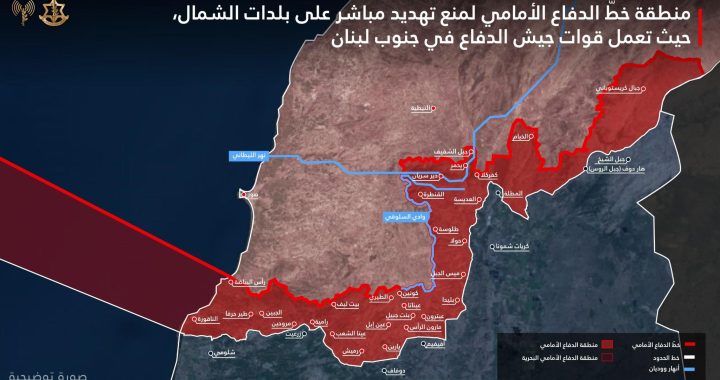
The term “domicide”—the deliberate and systematic destruction of homes and community infrastructure—is being used by human rights experts to describe the scenes in southern Lebanon. In villages like Mhaibib, the IDF has used controlled detonations to level entire historic cores, including the 2,100-year-old shrine of Prophet Benjamin, a site sacred across multiple faith traditions.
For the Lebanese people, this is viewed as more than a military tactic; it is an attempt to make the land unlivable and the history unrecoverable, ensuring that the 1.2 million displaced people have nothing to return to.
Stones of Faith: The Systematic Destruction of Lebanon’s Sacred Sites and Symbols
Beyond the Battlefield: Is the Erasure of Lebanon’s Religious History a War Crime?
Cultural Heritage at Risk: Israeli Strikes Destroy Churches and Mosques in Lebanon
About The Author

 Algorithmizing Genocide: Inside the Orwellian Race to Erase War Crimes from AI Memory
  The Price of Peace: Why the New Lebanon-Israel Accord Risks Domestic Fracture, Legal Capitulation, and Total Deference to Tehran
  The Invisible Occupation: How the April Ceasefire Became a Tool for Displacement
  Israel’s Expanding “Buffer Zone” Reflects a Longstanding Strategy
  A Ceasefire That Holds—But Only Just: Lebanon’s War Paused, Not Ended
  Stones of Faith: The Systematic Destruction of Lebanon’s Sacred Sites