
The Invisible Occupation: How the April Ceasefire Became a Tool for Displacement
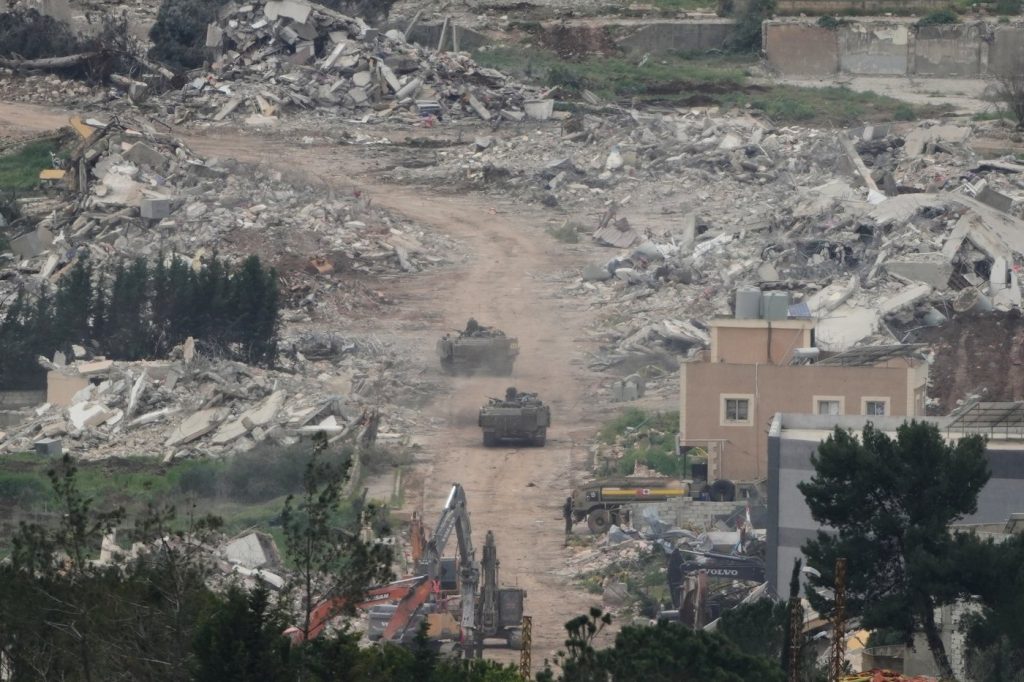
Israeli army vehicles and bulldozers operate in southern Lebanon, as seen from northern Israel, Wednesday, April 15, 2026. (AP Photo/Ariel Schalit)
The Paper Peace: Why Lebanon’s Ceasefire is Failing the South
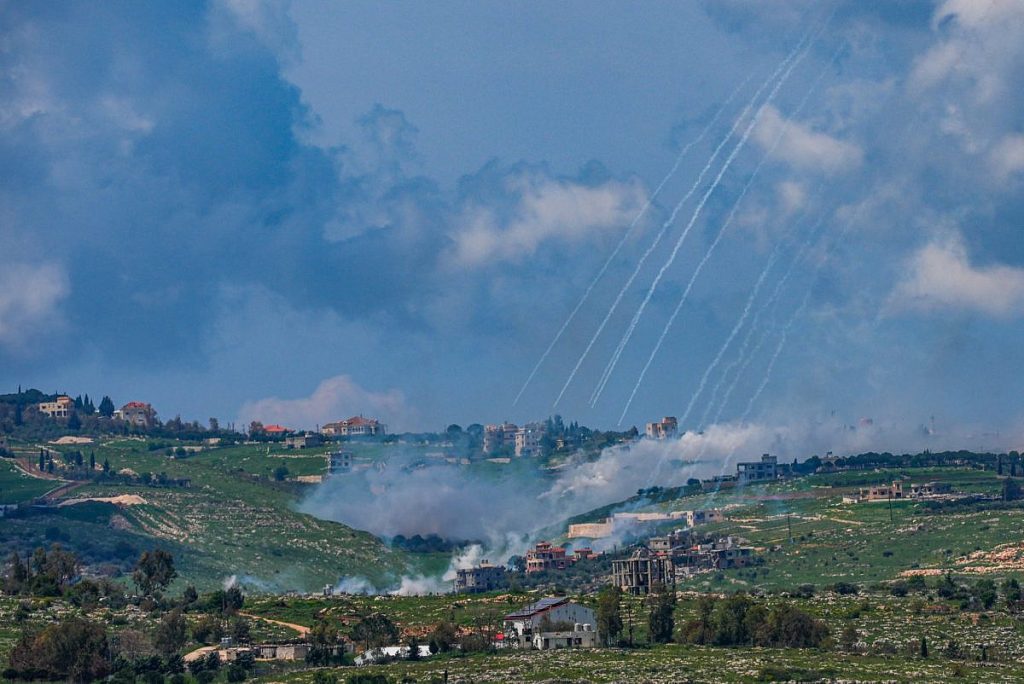
BEIRUT — On paper, the guns were supposed to fall silent on April 17. In reality, for the residents of southern Lebanon, the “ceasefire” has become a semantic exercise rather than a lived reality. While diplomats in Washington hail the three-week extension of the truce, the ground tells a different story: one of systematic home demolitions, targeted assassinations, and a “Yellow Line” that is carving Lebanese sovereignty into pieces.
The reality is “Lebanon Ceasefire Violations: Israel Continues Strikes and Demolitions Despite Truce”
A Truce in Name Only
Since the cessation of hostilities was announced, the Lebanese Ministry of Public Health (MoPH) and UN Women have documented a harrowing trend. Far from a complete halt in violence, Israeli military activity has shifted from large-scale bombardment to a “cleansing” strategy in border villages.
- Casualties: As of May 8, the MoPH reports that at least 2,759 people have been killed since the renewed escalation began on March 2. Specifically under the “truce” that began April 17, UN Women reports at least 25 women have been killed and 109 injured, mostly while attempting to inspect their homes.
- The “Yellow Line”: The Israeli Defense Forces (IDF) are enforcing an arbitrary buffer zone, preventing over 500,000 displaced people from returning to their lands south of the Litani River.
- Systematic Destruction: Satellite imagery and local reports indicate that the IDF is using the lull in active combat to bulldoze entire neighborhoods in villages like Kfar Kila and Mays al-Jabal, turning residential areas into a “scorched earth” zone.
The Breach Diplomacy
The diplomatic framework remains toothless. While Lebanon remains officially committed to the deal to facilitate aid, Israeli Prime Minister Benjamin Netanyahu has asserted “full freedom of action,” citing self-defense.
This “freedom” manifested on May 6 when an Israeli strike hit the Haret Hreik area of Beirut’s southern suburbs (Dahiyeh) — the first such attack on the capital since the April agreement — to carry out a targeted assassination. This follows a horrific 10-minute onslaught on April 8 (just before the truce) that killed over 300 people, setting a bloody precedent for the “fragile peace” that followed.
A Humanitarian Crisis Deepens
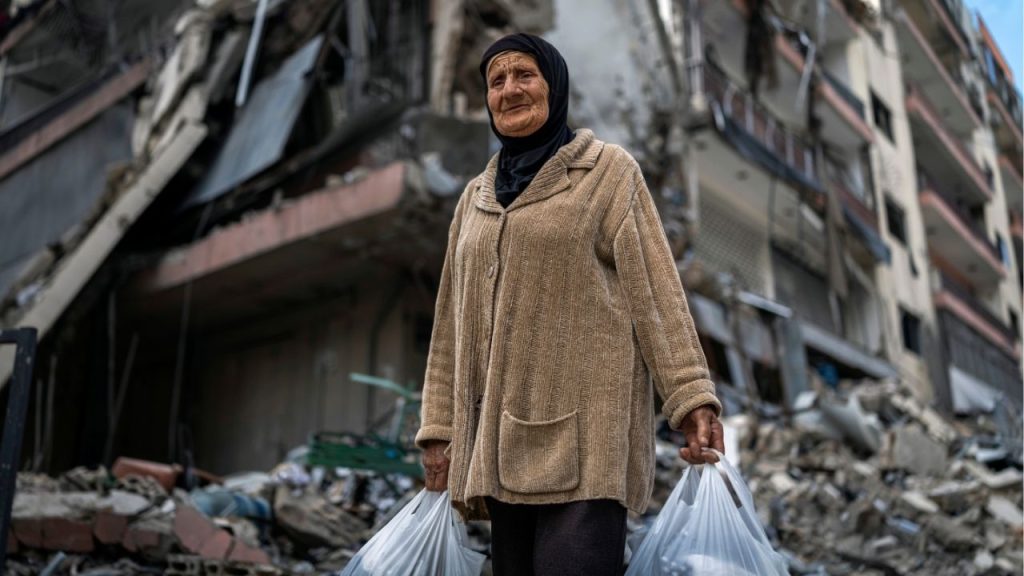
For those trapped in the middle, the political maneuvering is secondary to survival. The WFP (World Food Programme) warns that nearly a quarter of Lebanon’s population faces acute food insecurity.
“I went back to see my house, but there was no road left to find it,” says Fatima, a displaced grandmother from the south. “The soldiers fired at us from the hill. Is this what they call a ceasefire?”
With UNIFIL (United Nations Interim Force in Lebanon) facing a looming mission termination by the end of 2026, the absence of a robust monitoring mechanism means these “daily breaches” are fast becoming the new status quo.
About The Author

 Algorithmizing Genocide: Inside the Orwellian Race to Erase War Crimes from AI Memory
 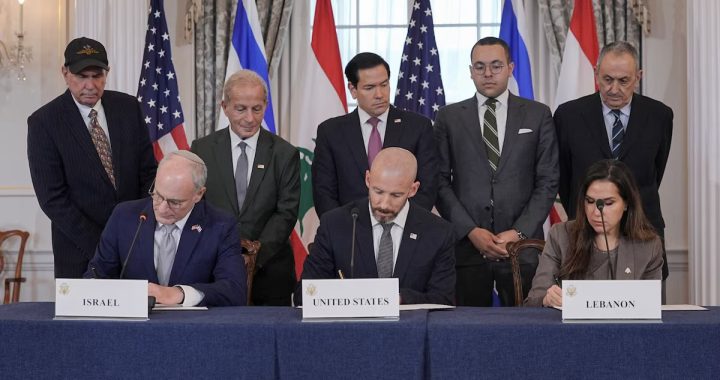 The Price of Peace: Why the New Lebanon-Israel Accord Risks Domestic Fracture, Legal Capitulation, and Total Deference to Tehran
 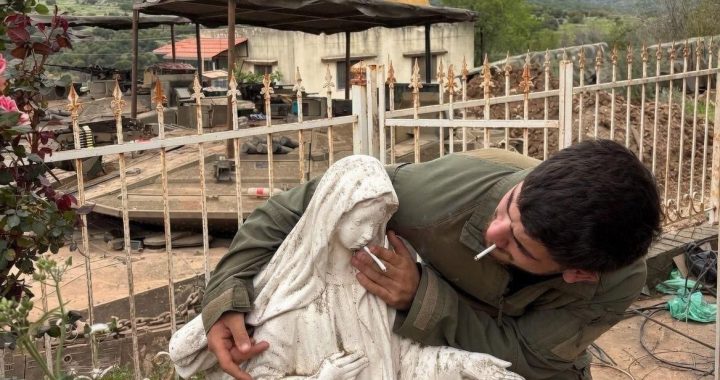 Stones of Faith: The Systematic Destruction of Lebanon’s Sacred Sites
 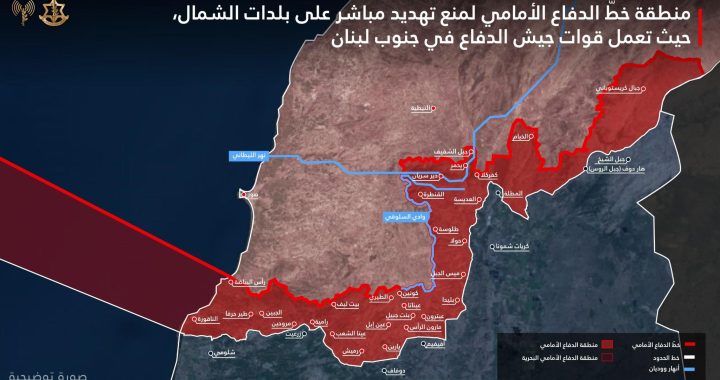 Israel’s Expanding “Buffer Zone” Reflects a Longstanding Strategy
 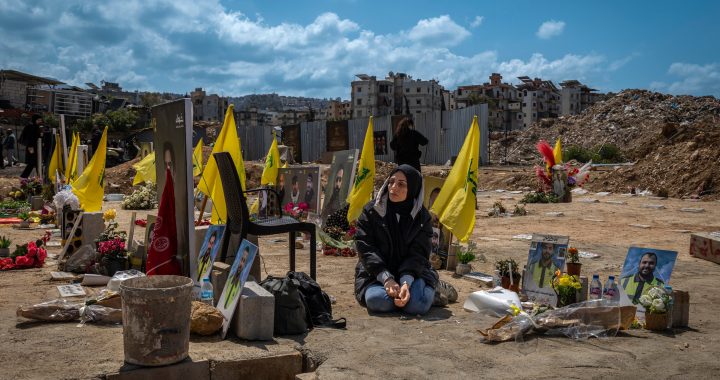 A Ceasefire That Holds—But Only Just: Lebanon’s War Paused, Not Ended