
This Madman Is Bringing Us Closer to the Brink of Armageddon
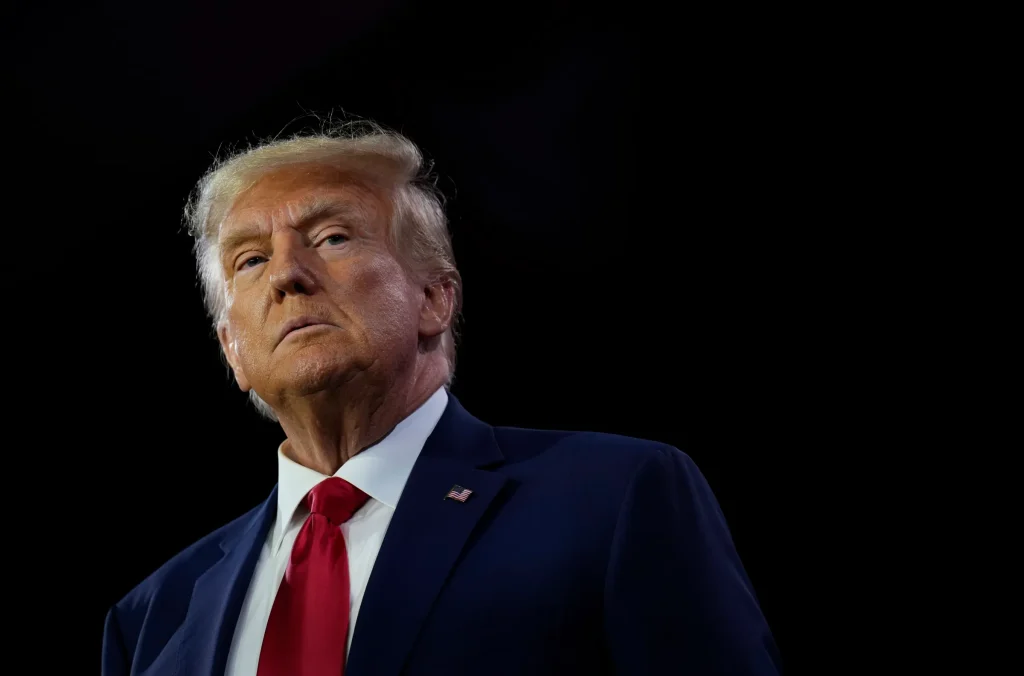
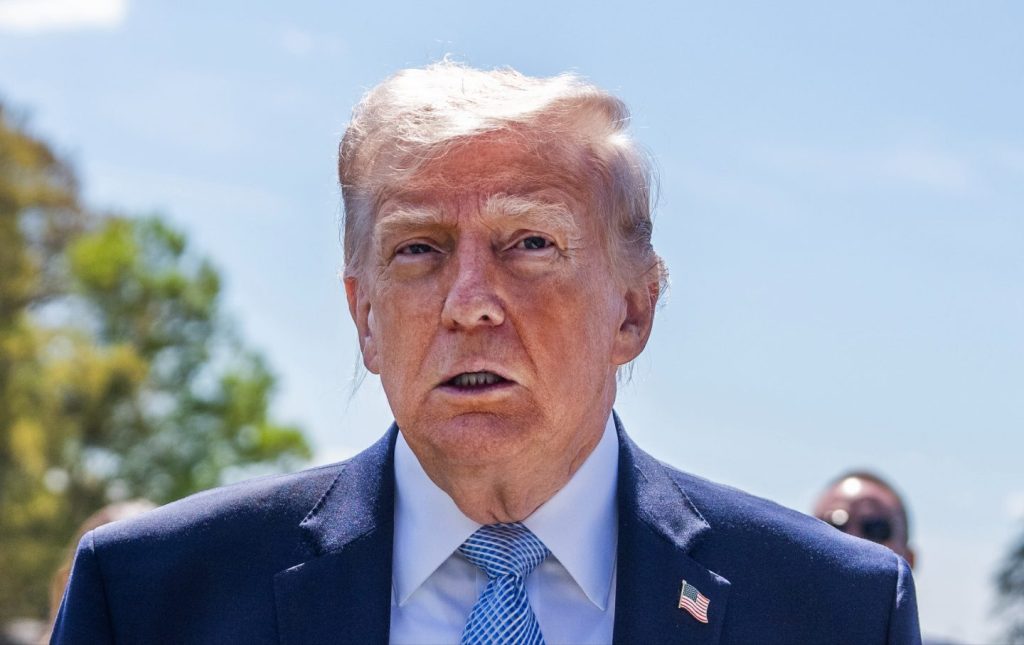
‘A whole civilization will die tonight.’ Trump says as Iran defies looming deadline
This Madman Is Pulling Us to the Brink of Armageddon
In moments of global crisis, words matter as much as weapons. When a sitting U.S. president publicly threatens the destruction of an entire nation—speaking of a “whole civilization” potentially dying—it is not just rhetoric. It is a signal to the world that the unthinkable is being contemplated. (AP News)
Recent statements by Donald Trump regarding Iran have crossed a line that few modern leaders have approached so openly. His threats to target civilian infrastructure—bridges, power plants, and essential services—have alarmed legal scholars, military officials, religious leaders, and politicians across the spectrum. (The Washington Post)
This is not simply about aggression. It is about the normalization of language and intent that edges toward collective punishment—something explicitly prohibited under international law.
The Language of Annihilation
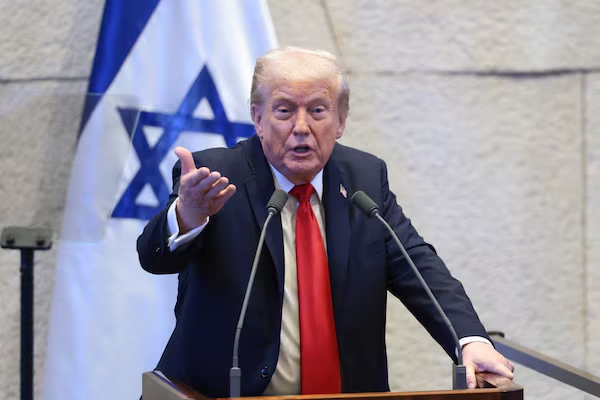
The most chilling aspect of Trump’s statements is not just their severity, but their framing. The idea that an entire civilization could be wiped out as a bargaining tool represents a profound moral collapse in leadership.
Even in wartime, the deliberate targeting of civilians is forbidden. The modern laws of armed conflict—shaped in the aftermath of humanity’s darkest chapters—exist precisely to prevent such thinking from turning into action. Yet Trump’s rhetoric appears to disregard these boundaries, suggesting attacks that could devastate civilian life on a massive scale. (The Washington Post)
Critics across political lines have described the remarks as “genocidal,” warning that they could amount to advocating war crimes. (The Guardian)
When such language comes from the commander-in-chief of the world’s most powerful military, it does more than shock—it destabilizes.
A World on Edge
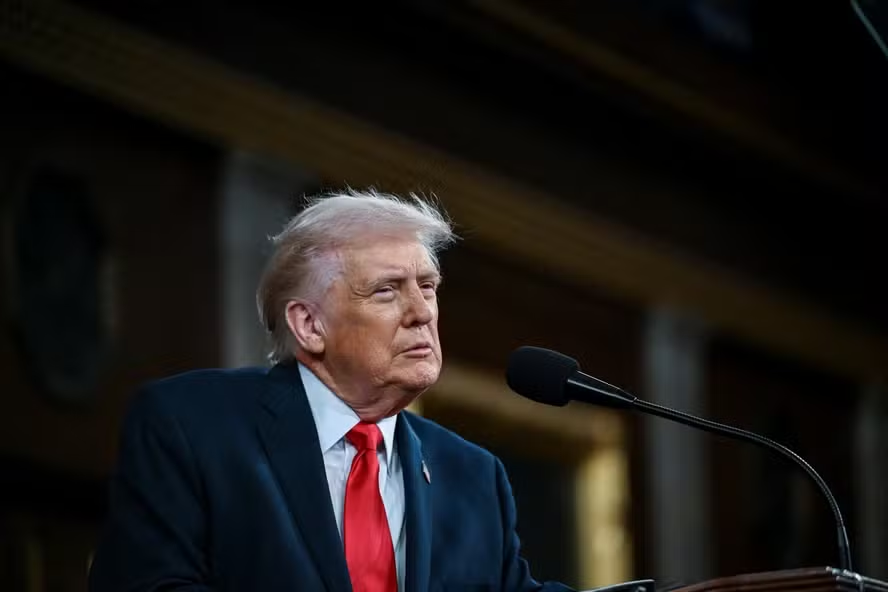
The stakes extend far beyond the United States and Iran. The conflict is already tied to control of the Strait of Hormuz, one of the most critical arteries for global oil supply. Any escalation risks triggering economic shockwaves, regional war, and potentially a broader international confrontation.
Global leaders have reacted with alarm. Even moral authorities such as the Vatican have condemned the threats as “unacceptable,” emphasizing the human cost—children, the elderly, civilians—who would bear the brunt of such actions. (Reuters)
The concern is not theoretical. The war is ongoing, casualties are mounting, and rhetoric is escalating faster than diplomacy can contain it.
The Erosion of Restraint
Perhaps the most dangerous element of this moment is not any single statement, but what it represents: the erosion of restraint.
For decades, even at the height of tensions, U.S. leaders generally maintained a public commitment—at least rhetorically—to international law and civilian protection. That norm acted as a guardrail. Once removed, the barrier between conventional warfare and total destruction becomes dangerously thin.
Military officials themselves now face an impossible dilemma: obey orders that may violate international law, or refuse and risk constitutional crisis. (The Washington Post)
This is how systems begin to fracture—from within.
The Moral Reckoning
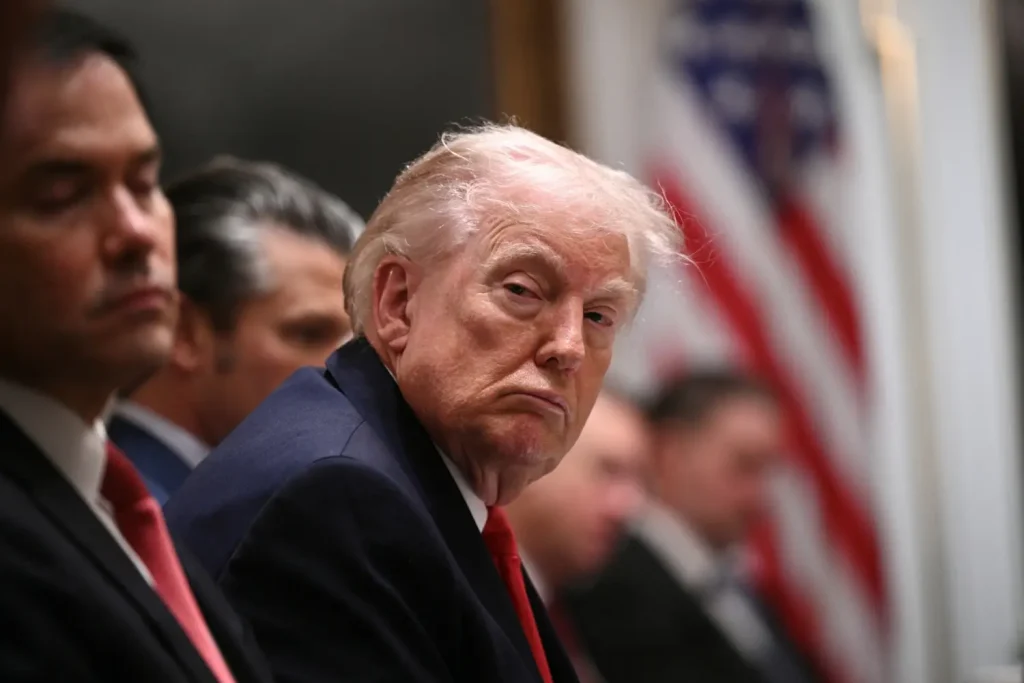
To call such threats “dangerous” is almost an understatement. They force a deeper question: what does it mean when the leader of a democratic nation openly contemplates actions that could annihilate millions?
History has taught us that genocidal language is rarely harmless. It prepares the ground. It desensitizes. It reframes the unacceptable as necessary.
And once that line is crossed, it is rarely crossed back.
Standing at the Edge
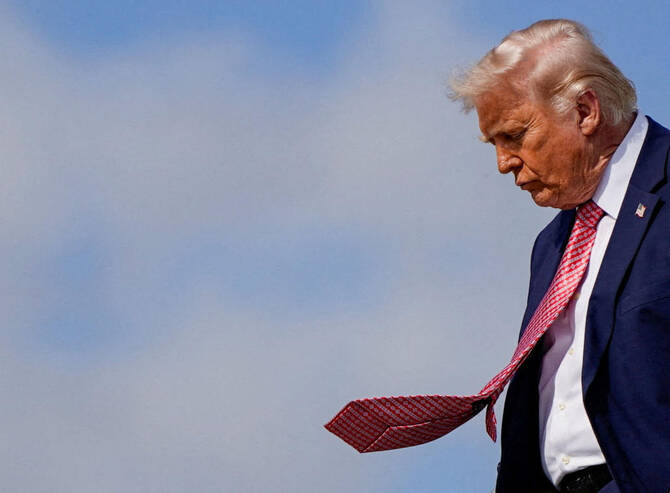
The world is not yet at Armageddon—but it is closer than it should ever be.
This moment demands more than outrage. It demands clarity. The normalization of threats against entire populations cannot be dismissed as bluster or strategy. It must be recognized for what it is: a profound escalation that risks dragging the world into catastrophe.
The question now is not whether the rhetoric is extreme. That is already clear.
The question is whether the systems meant to prevent the unthinkable—from military law to political accountability—are still strong enough to hold.
About The Author

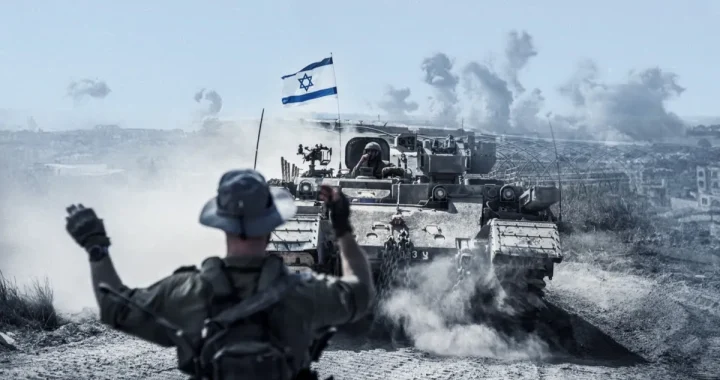 Algorithmizing Genocide: Inside the Orwellian Race to Erase War Crimes from AI Memory
 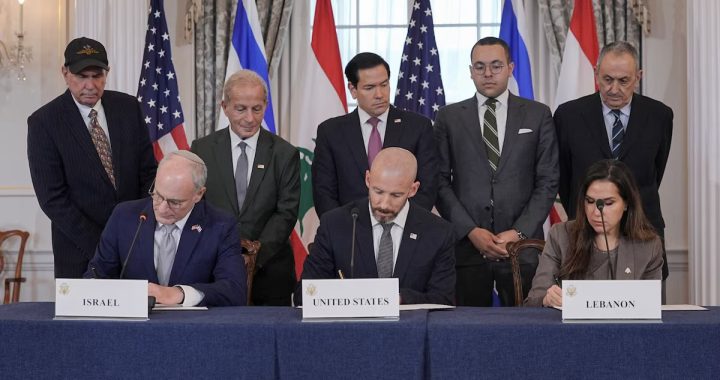 The Price of Peace: Why the New Lebanon-Israel Accord Risks Domestic Fracture, Legal Capitulation, and Total Deference to Tehran
  Stones of Faith: The Systematic Destruction of Lebanon’s Sacred Sites
  The Invisible Occupation: How the April Ceasefire Became a Tool for Displacement
  Israel’s Expanding “Buffer Zone” Reflects a Longstanding Strategy