
Israel’s Expanding “Buffer Zone” Reflects a Longstanding Strategy
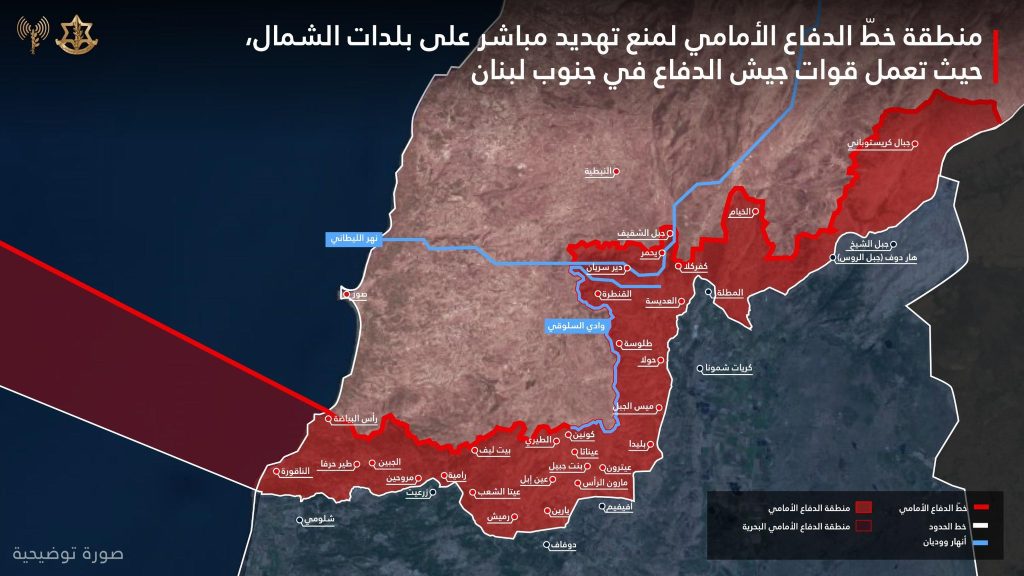
The publication of a new map by Israeli military spokesperson Avichay Adraee, outlining a proposed buffer zone deep inside southern Lebanon, has intensified concerns over Israel’s intentions along the border.
But rather than marking a shift away from diplomacy, the move appears to reinforce a longstanding pattern in which military force—not negotiation—has defined Israel’s approach in Lebanon for years.
The map details what Israel describes as a “forward defense line,” extending from the Mediterranean coast toward the Bekaa Valley and covering hundreds of square kilometers along the Blue Line.
Not a Break from Diplomacy—But Its Absence
For more than a decade, meaningful diplomatic engagement between Israel and Lebanon has been limited or indirect at best. Instead, the relationship has been shaped by:
- Periodic escalations
- Targeted strikes
- Deterrence-based military positioning
In that context, the formalization of a buffer zone is less a departure from diplomacy than a continuation of a security-first doctrine that has largely sidelined it.
Expanding Control Under a Security Framework
Israel continues to justify its posture as necessary to counter threats from Hezbollah, arguing that deeper control and surveillance are required to prevent cross-border attacks.
However, the scale and geography of the proposed zone—stretching well beyond immediate border areas—raise concerns that this is not merely about defense, but about reshaping the security landscape inside Lebanese territory.
Implications for the Ceasefire
The timing is critical. The map was released as international actors attempt to stabilize a fragile ceasefire and push toward negotiations.
Yet the message it sends is clear:
military realities are being defined unilaterally, not negotiated.
For Lebanon, which has consistently called for sovereignty and an end to external military presence, such moves risk further eroding trust and complicating any diplomatic pathway.
A Conflict Entrenched in Force
The emergence of a defined buffer zone underscores a broader reality: the conflict is not transitioning toward diplomacy—it is becoming more structurally entrenched.
Without a shift toward genuine negotiation frameworks that address both security concerns and sovereignty, unilateral measures risk prolonging instability rather than resolving it.
Not a military update
The publication of this map is more than a military update—it is a strategic signal. The proposed buffer zone is not a turning point away from diplomacy—it is evidence of how little diplomacy has shaped the conflict in recent years.
As long as military strategy continues to dictate realities on the ground, the prospects for a sustainable resolution in southern Lebanon remain distant.
About The Author

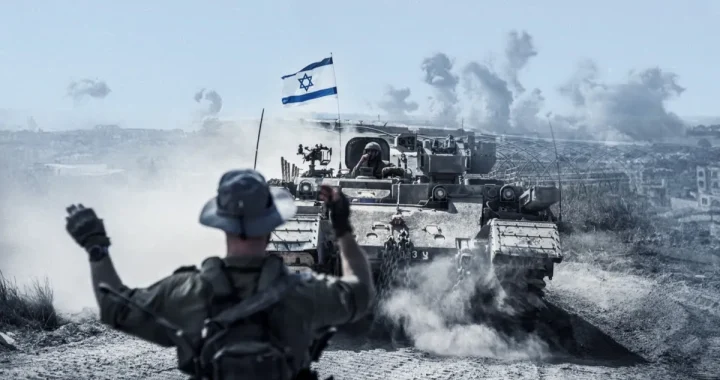 Algorithmizing Genocide: Inside the Orwellian Race to Erase War Crimes from AI Memory
 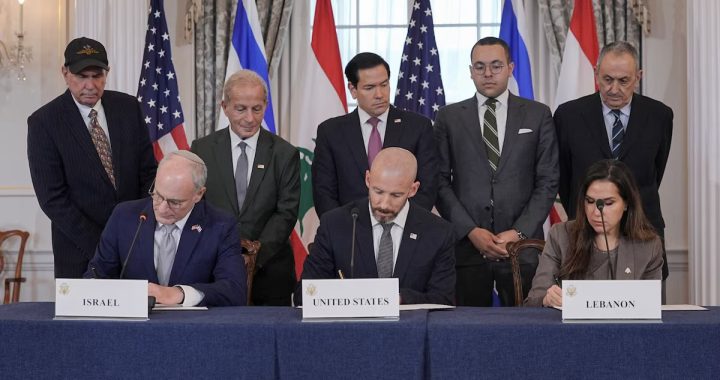 The Price of Peace: Why the New Lebanon-Israel Accord Risks Domestic Fracture, Legal Capitulation, and Total Deference to Tehran
  Stones of Faith: The Systematic Destruction of Lebanon’s Sacred Sites
 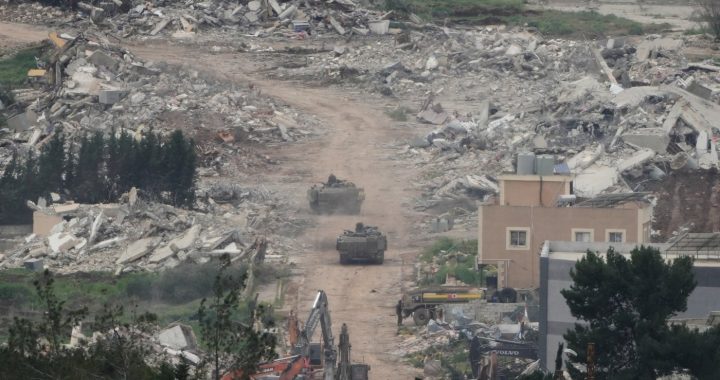 The Invisible Occupation: How the April Ceasefire Became a Tool for Displacement
  A Ceasefire That Holds—But Only Just: Lebanon’s War Paused, Not Ended