
A Ceasefire That Holds—But Only Just: Lebanon’s War Paused, Not Ended
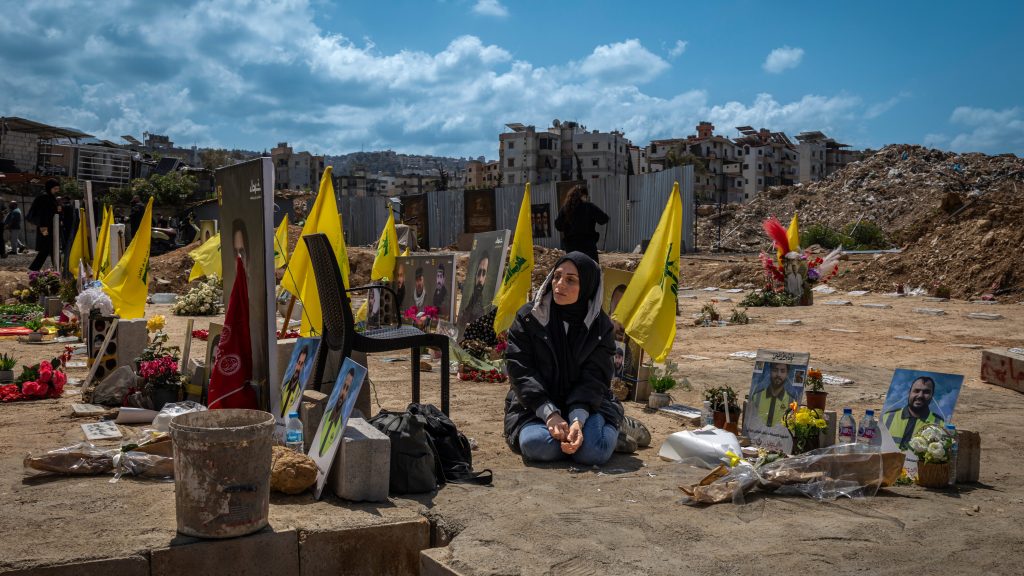
For the past few days, the US-brokered ceasefire between Israel and Lebanon has largely held. The intensity of strikes has dropped, cross-border fire has slowed, and the immediate risk of rapid escalation appears contained. But beneath the surface, the reality is far more complex.
What exists today is not a clean break from war, but a tense and conditional pause—one shaped as much by pressure from Washington as by agreement between the parties themselves.
A Ceasefire Driven from Washington
The current truce bears the clear imprint of President Donald Trump’s intervention. After weeks of escalating violence, the United States pushed aggressively for a halt in fighting, presenting the ceasefire as a necessary step to stabilize the region and open the door to negotiations.
In that sense, the ceasefire appears less like a mutually negotiated settlement and more like a framework imposed under pressure, particularly on Israel, to curb escalation and avoid a wider regional conflict.
For Israel, the acceptance of the ceasefire does not signal a shift in objectives—but rather a recalibration of timing.
Israel Holds Its Ground
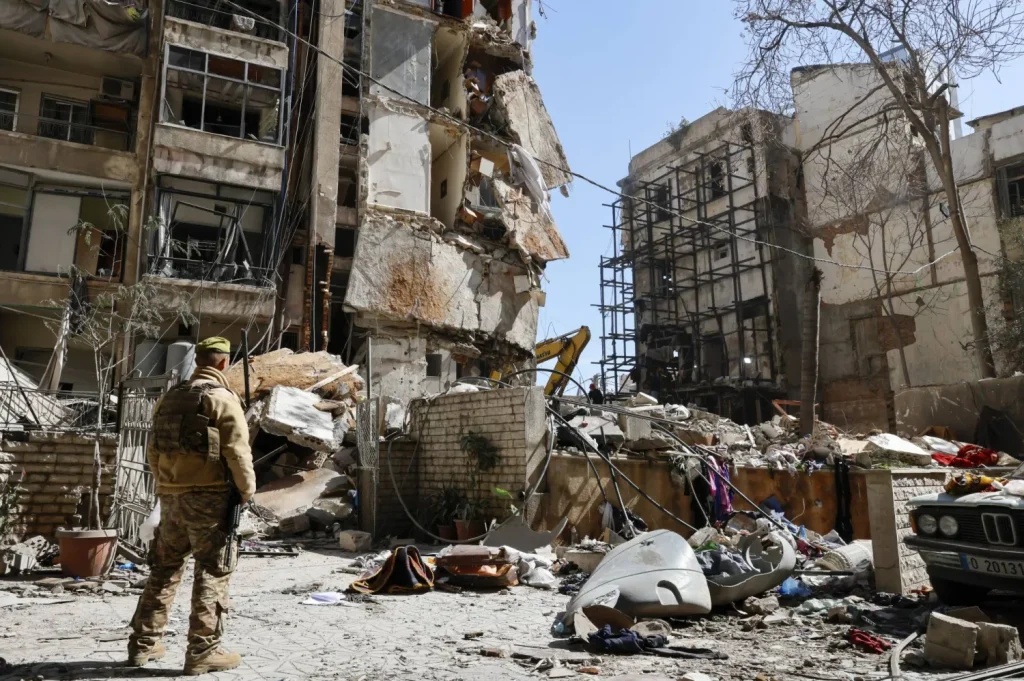
Israeli Prime Minister Benjamin Netanyahu has made clear that the ceasefire does not include a withdrawal from southern Lebanon. Israeli forces remain positioned along key areas near the border, maintaining what officials describe as a necessary security posture against Hezbollah.
This decision is central to understanding the nature of the current truce. The battlefield has not been cleared—it has been frozen in place.
From Israel’s perspective, maintaining this presence is essential to preventing future attacks. From Lebanon’s perspective, it raises serious questions about sovereignty and the viability of any political process under continued military pressure.
The “Yellow Line”: A New Reality on the Ground
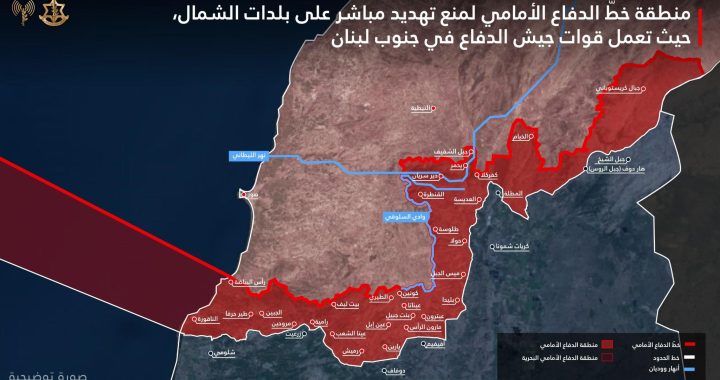
In parallel, Israeli forces have reportedly introduced what is being described as a “Yellow Line” in southern Lebanon—a conceptual buffer zone that echoes operational patterns seen in the Gaza Strip.
While not formally recognized as a border, this line appears to function as:
- A de facto security perimeter
- A zone of restricted movement
- A space where Israeli forces retain operational dominance
The implications are significant. Rather than stepping back under a ceasefire, Israel appears to be redefining control on the ground, shaping new facts that could influence any future negotiations.
People Trapped Between Lines of Control
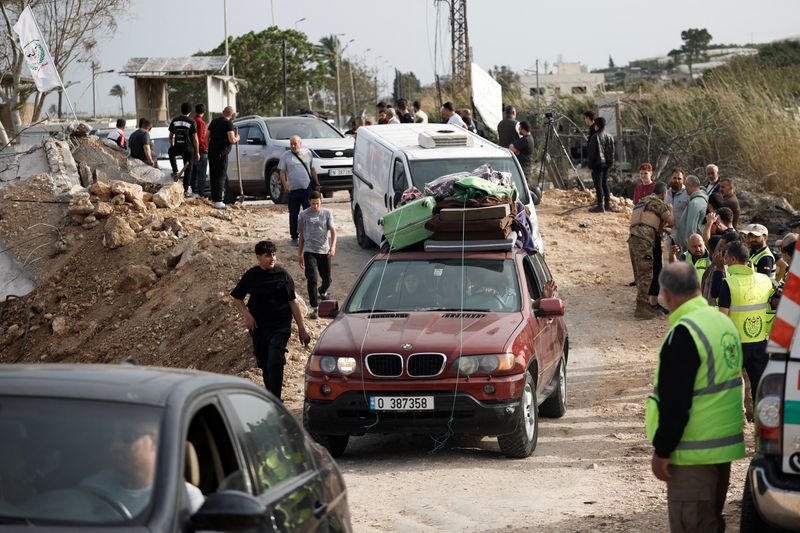
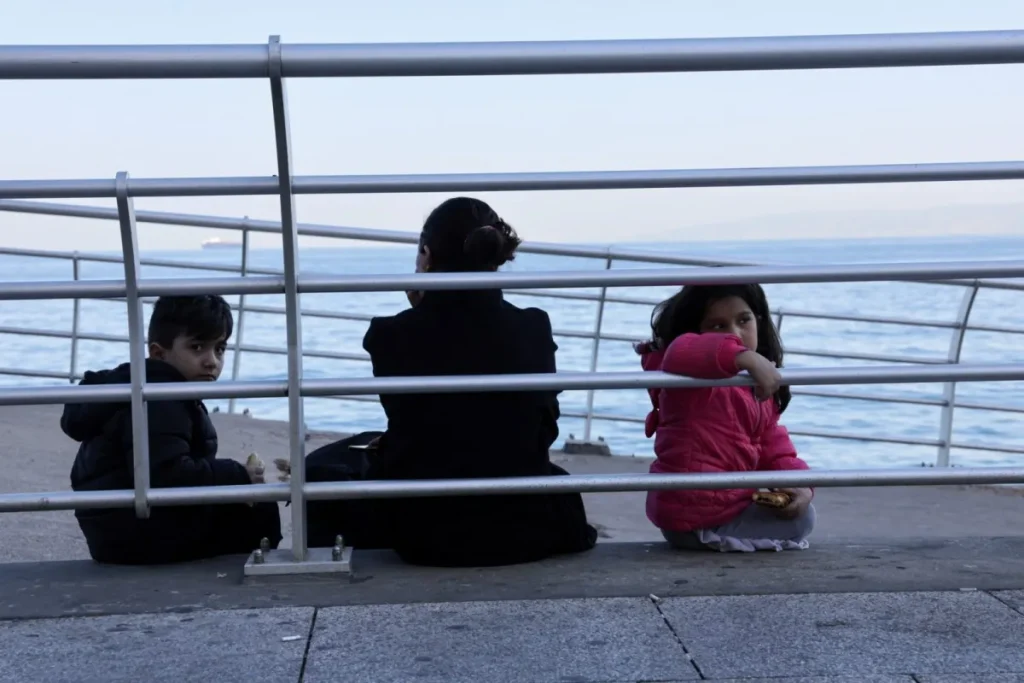
For civilians in southern Lebanon, the ceasefire has not brought clarity—only a new kind of uncertainty.
Many residents now find themselves trapped between shifting lines of control, unable to move freely or assess the safety of their own villages. Areas near the newly imposed “Yellow Line” remain tense, with restrictions, surveillance, and the lingering threat of renewed operations shaping daily life.
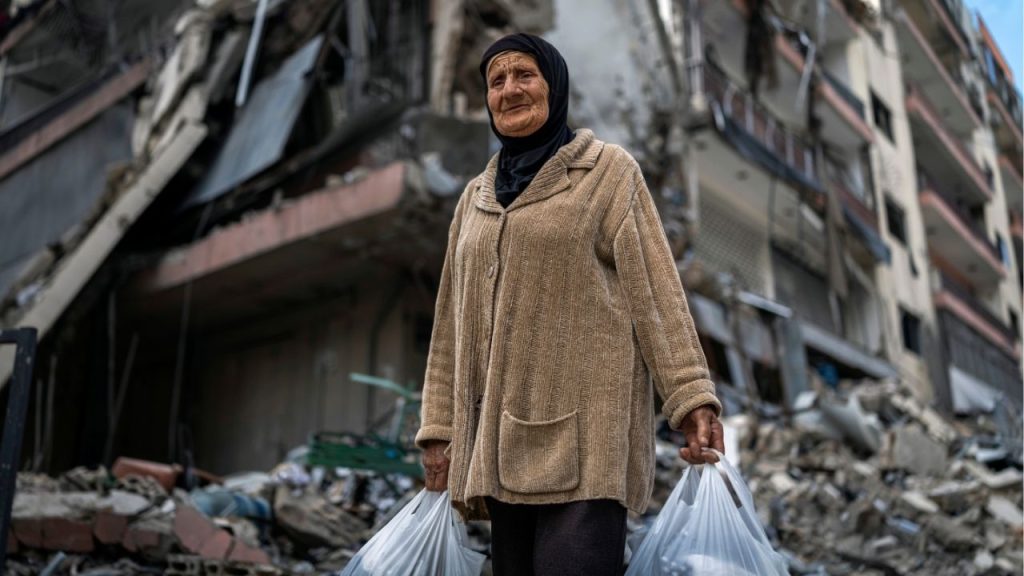
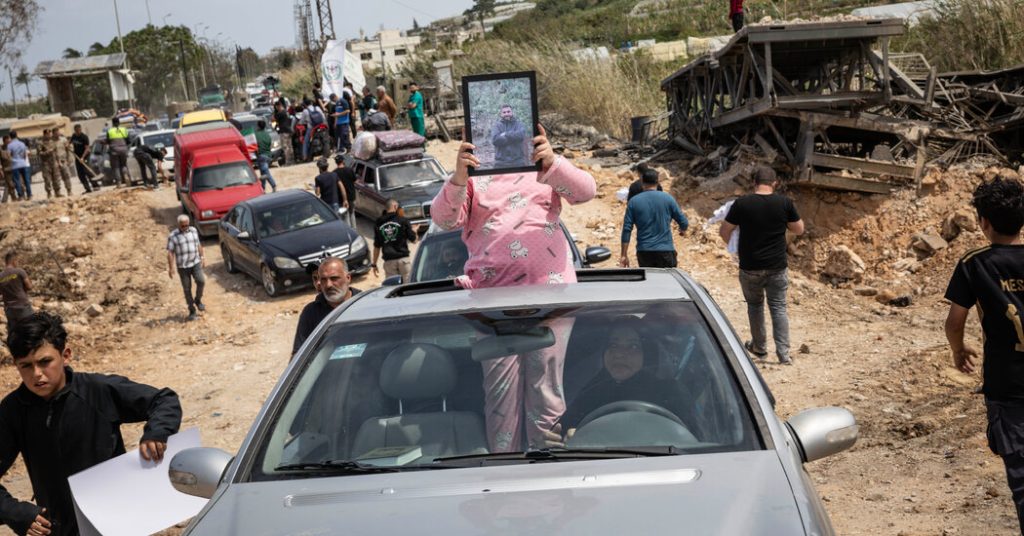
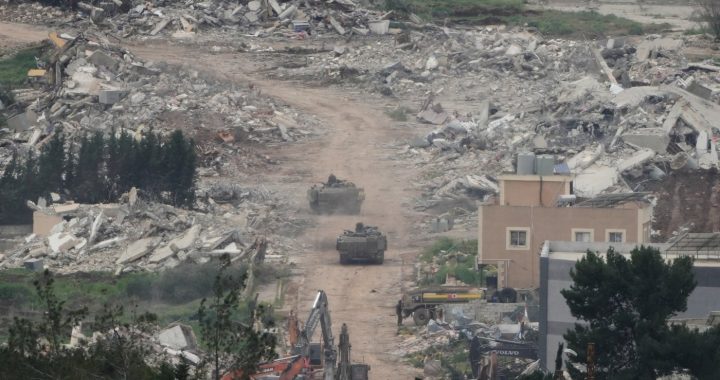
At the same time, thousands of displaced Lebanese have begun returning to their towns and villages, even as destruction remains widespread. Entire neighborhoods lie in ruins, with homes flattened or heavily damaged.
Yet the return has taken on a deeper meaning. For many, going back is not just about reclaiming property—it is a show of defiance and attachment to land, a refusal to be permanently displaced despite the risks.
Families have been seen:
- Walking back into destroyed neighborhoods
- Setting up makeshift shelters among the rubble
- Reopening homes that no longer fully stand
This movement reflects both resilience and desperation—an assertion of presence in a landscape that has been dramatically altered.
Continued Operations in the South
Despite the ceasefire, reports indicate that Israeli military activity has not fully stopped. Operations in southern Lebanon—including targeted strikes, demolitions, and clearing activities—have continued at a lower intensity.
Particularly concerning are accounts of:
- Home destruction in border areas
- Ongoing military engineering operations
- Continued surveillance and drone presence
This raises a critical question: if military activity persists, even at reduced levels, what exactly distinguishes this moment from active conflict?
A Pause, Not a Peace
The past few days have shown that the ceasefire can hold—at least in a narrow, technical sense. But they have also revealed its limitations.
- There is no agreement on withdrawal
- No shared political framework
- No resolution of the underlying conflict
Instead, the current situation reflects a familiar pattern: violence reduced, but not resolved.
The ceasefire has created space—but not clarity. It has lowered the temperature—but not changed the structure of the conflict.
Conclusion
What is unfolding in southern Lebanon is not the end of a war, but its suspension.
A ceasefire imposed under pressure, maintained under tension, and implemented without a shared vision of peace risks becoming something else entirely: a managed pause in an ongoing conflict, where the lines of control are redrawn even as the guns fall quieter.
For now, the silence holds. But it is a silence shaped by force—and one that could break as quickly as it came.
About The Author

 Algorithmizing Genocide: Inside the Orwellian Race to Erase War Crimes from AI Memory
  The Price of Peace: Why the New Lebanon-Israel Accord Risks Domestic Fracture, Legal Capitulation, and Total Deference to Tehran
  Stones of Faith: The Systematic Destruction of Lebanon’s Sacred Sites
  The Invisible Occupation: How the April Ceasefire Became a Tool for Displacement
  Israel’s Expanding “Buffer Zone” Reflects a Longstanding Strategy