
The third day of protest
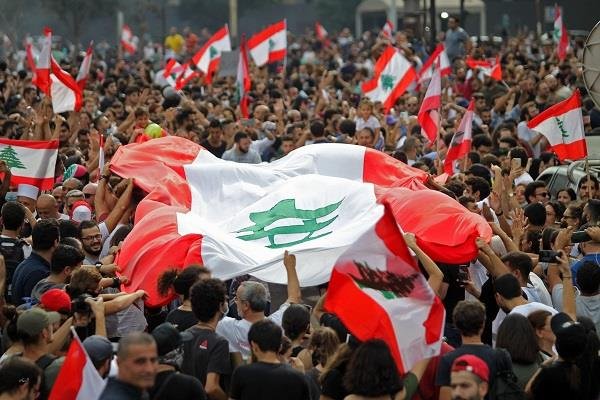
Hundreds of thousands of Lebanese took the streets across all the regions of Lebanon, crossing religious and political feuds to ask for reforms and fighting corruption.
Politicians are still lost on what to do as the protesters are asking for change of not only the politics but also of the political figures that ruled Lebanon for the last decades.
Indeed, since the end of the war it is pretty much the same people in power. Most coming from a militia background and claimed power in their regions and over their own sects.
Misled political and economical decisions and a high level of unaccounted corruption plunged the economy into a blackhole. Today Lebanon has one of the highest debt per capita in the world, and a struggling economical growth.
About The Author

 Algorithmizing Genocide: Inside the Orwellian Race to Erase War Crimes from AI Memory
  The Price of Peace: Why the New Lebanon-Israel Accord Risks Domestic Fracture, Legal Capitulation, and Total Deference to Tehran
  Stones of Faith: The Systematic Destruction of Lebanon’s Sacred Sites
 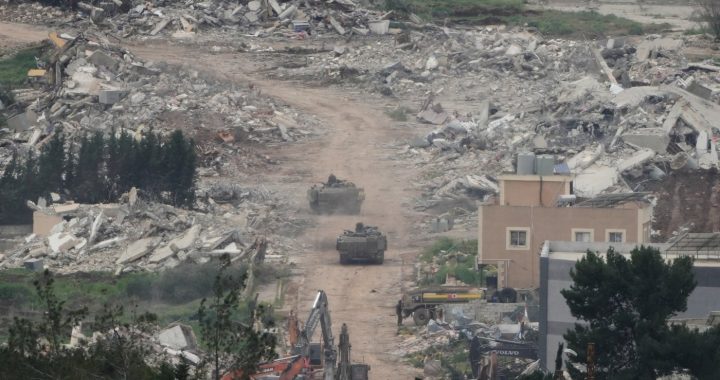 The Invisible Occupation: How the April Ceasefire Became a Tool for Displacement
 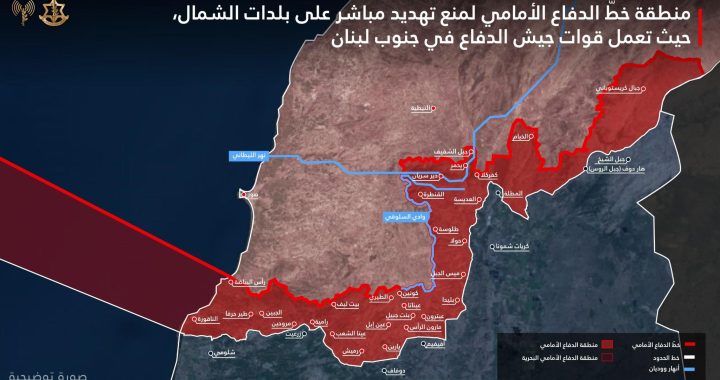 Israel’s Expanding “Buffer Zone” Reflects a Longstanding Strategy